Friday, 26 January 2024

Dog Acl Surgery Near Me

In the pursuit of health and wellbeing for your canine companion, you may find yourself seeking specialized veterinary care, such as anterior cruciate ligament (ACL) surgery for your dog. As a critical procedure that addresses one of the most common hind leg injuries in dogs, locating a reputable and skilled surgeon near you is imperative for your pet’s swift recovery and return to mobility. This article serves as a guiding resource, providing essential information for discerning the most suitable local options for dog ACL surgery, ensuring you make an informed decision for the care of your cherished companion.

Understanding Dog ACL Surgery

When your beloved pet suffers from an injury, it’s crucial to gather all the necessary information to make informed decisions regarding their health. One such injury that’s common in dogs is damage to the anterior cruciate ligament, or ACL. In this discussion, we’ll delve into what ACL surgery for dogs entails, starting with the anatomy and moving through the types of surgery, pre-surgical considerations, and beyond.

The Anatomy of a Dog’s ACL

Your dog’s ACL, also known as the cranial cruciate ligament (CCL) in canines, is a critical component within the knee joint that connects the femur (thigh bone) to the tibia (shin bone). It helps to stabilize the joint, controlling back and forth movements, and prevents the tibia from sliding too far forward under the femur.

Common Causes of ACL Injuries in Dogs

ACL injuries in dogs can arise from various causes, including trauma, degenerative conditions, obesity, and genetics. High-energy activities like jumping or sudden direction changes often contribute to such injuries. Additionally, some breeds may be predisposed to ACL issues due to their build and genetic factors.

Signs Your Dog May Need ACL Surgery

You might notice limping, reluctance to play or walk, or difficulty rising from a sitting position as signs that your dog could have an ACL injury. Swelling around the knee and a decreased range of motion are also common indicators. If these symptoms arise, consult your veterinarian promptly.

The Importance of Proper Diagnosis

Getting an accurate diagnosis is essential before considering surgery. Your veterinarian will perform a physical examination and may recommend imaging such as X-rays or an MRI. Correct diagnosis ensures that your dog receives the appropriate treatment for its specific condition.

Types of ACL Surgery for Dogs

When nonsurgical management isn’t successful or when the injury is severe, surgery is typically recommended. There are several types of ACL surgeries, each with different approaches and outcomes.

TPLO (Tibial Plateau Leveling Osteotomy)

TPLO is a popular surgical technique that changes the dynamics of the knee by leveling the tibial plateau (the part of the tibia that contacts the femur). This procedure often provides a more stable joint post-surgery, especially in active and larger breed dogs.

TTA (Tibial Tuberosity Advancement)

TTA surgery advances the tibial tuberosity, the front part of the tibia, to better align the patellar ligament with the tibial plateau angle. This realignment reduces the shearing forces in the knee that occur when the dog puts weight on the leg.

Lateral Suture Stabilization

Also known as extracapsular repair, this technique involves placing a strong suture on the outside of the joint to mimic the function of the damaged ACL. This method is typically considered for smaller or lighter dogs.

Comparing Surgical Options for Best Outcomes

Choosing the right surgery depends on multiple factors, such as your dog’s size, age, activity level, and the severity of the injury. A detailed discussion with your veterinarian or a veterinary surgeon will help determine the best option for your pet’s unique situation.

Dog Acl Surgery Near Me

Pre-Surgical Considerations for Dog ACL Procedures

Before proceeding with surgery, it’s crucial to be well-prepared. Understanding pre-surgical considerations will better equip you to support your dog through this process.

Choosing the Right Veterinarian or Surgeon

Finding a reputable and experienced professional is vital. Look for a licensed veterinarian or board-certified veterinary surgeon who has a track record of successful ACL surgeries.

Understanding the Risks and Benefits

As with all surgeries, there are risks involved in ACL repair, including infection, anesthesia complications, and the potential for further joint problems. However, the benefits often outweigh these risks, as surgery can greatly improve your dog’s quality of life.

Preparing Your Dog for Surgery

Your veterinarian will provide guidance on how to prepare your dog for surgery, which may include fasting, medication adjustments, and other health considerations.

What to Expect During the Pre-Op Appointment

During the pre-op appointment, the veterinary team will likely perform a full physical exam, discuss anesthesia plans, and explain the surgical procedure. This is a good time to ask questions and address any concerns you may have.

Locating Veterinary Clinics Offering ACL Surgery

If your dog requires ACL surgery, finding a suitable clinic is one of the first steps.

Searching for Specialists in Your Area

A simple online search for “dog ACL surgery near me” or “veterinary surgical specialists” can yield results for nearby clinics and hospitals that offer the required services.

Online Directories and Resources

Professional veterinary associations and directories can help narrow down specialists in your area who are experienced in ACL surgery.

Recommendations from Local Veterinarians

Your primary care veterinarian can provide referrals to trusted surgeons who specialize in orthopedic procedures.

Reading Reviews and Checking Credentials

It’s important to read reviews from other pet owners and ensure the clinic and surgeon have the appropriate credentials and experience to perform the surgery safely and effectively.
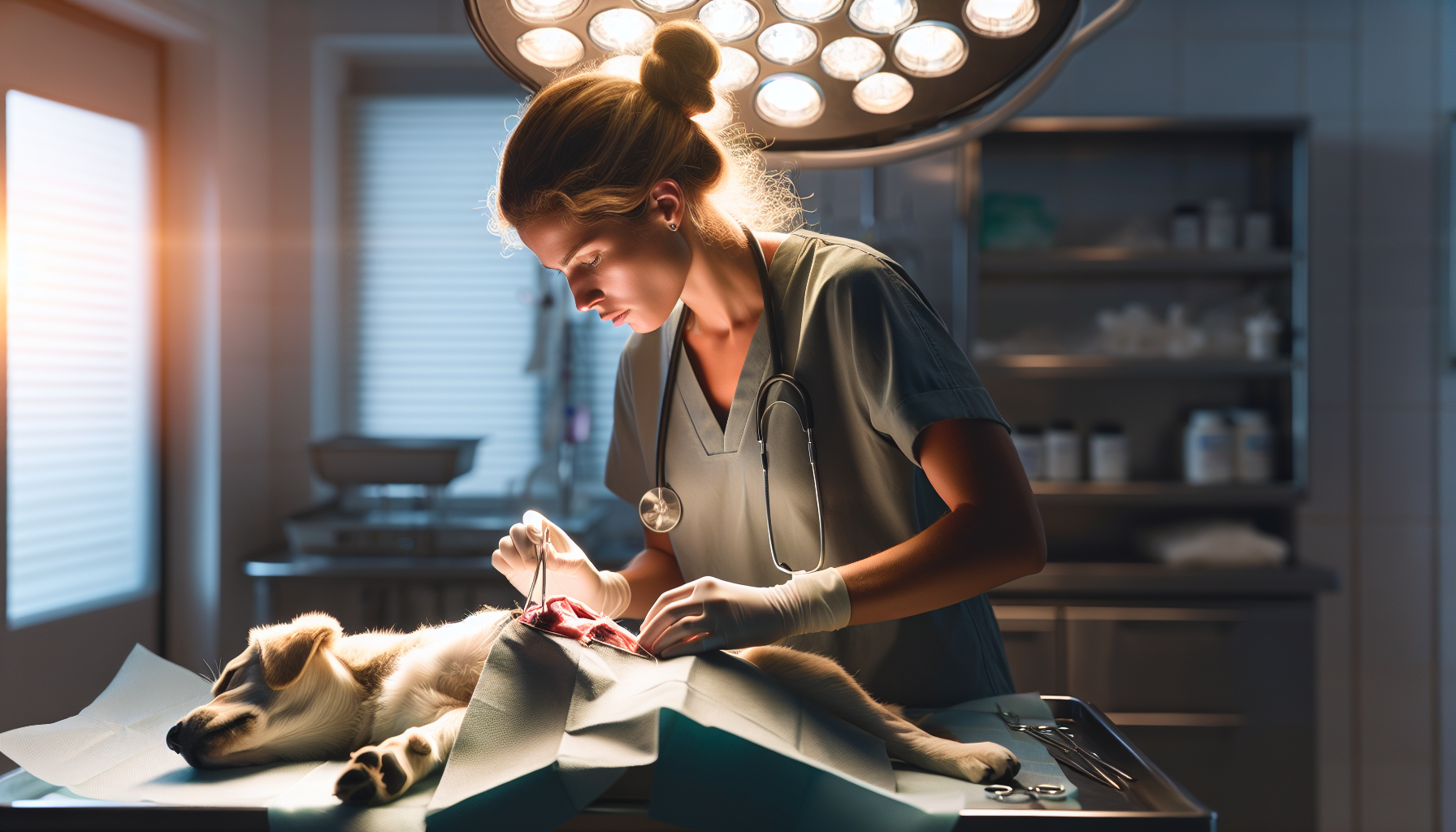
Dog Acl Surgery Near Me

The Dog ACL Surgery Process

Understanding the surgical process will help you feel more prepared and can alleviate some concerns about the upcoming procedure.

Anesthesia and Pet Safety

Your dog will be placed under general anesthesia for the surgery, and the veterinary team will closely monitor their vitals to ensure safety throughout the procedure.

Step-by-Step Surgical Procedure

The specifics of the surgical procedure will vary depending on the type of surgery selected. Generally, the damaged ACL is addressed, and the joint is stabilized through various techniques based on the chosen method.

Immediate Postoperative Care

After surgery, the veterinary staff will work to manage your dog’s pain and monitor for any complications. Your dog will likely stay at the clinic until they are stable and able to return home with you.

Monitoring Your Dog During Recovery

Postoperative monitoring is crucial to ensure that your dog is healing properly and to catch any potential complications early. This includes regular veterinary check-ups and adhering to the recommended rest and confinement.

Aftercare and Rehabilitation Post-ACL Surgery

Proper aftercare and rehabilitation are key components of a successful recovery. Your dedication to this phase will greatly influence your dog’s return to normal function.

Pain Management and Medications

Your veterinarian will prescribe pain medication and possibly anti-inflammatories to manage your dog’s comfort during recovery. Follow all medication instructions carefully.

Physical Rehabilitation Exercises

Engaging in prescribed rehabilitation exercises can help restore your dog’s range of motion and strength in the affected leg. These may include passive range-of-motion exercises, controlled walking, and specific strengthening activities.

Home Care and Environment Modifications

Creating a safe, comfortable environment at home is essential. This might involve restricting stairs, setting up a single-level recovery area, and using nonslip surfaces to prevent falls.

Recognizing Signs of Complications

Stay vigilant for signs of complications, such as increased swelling, persistent pain, or changes in behavior, and contact your veterinarian if you have any concerns.

Cost Factors of Dog ACL Surgery

It’s important to understand the financial aspects of ACL surgery to ensure you can make the best decision for your dog’s health.

Understanding the Costs Involved

ACL surgery can be a significant investment. Costs typically include the surgery itself, anesthesia, medications, and follow-up care.

Insurance and Financing Options

Pet insurance may cover a portion of the surgery, depending on your policy. Additionally, many clinics offer financing options to help manage the expenses.

The Long-Term Value of Surgery

While the initial cost may be steep, successful ACL surgery can prevent further joint damage and improve your dog’s overall quality of life, possibly saving you money on future medical expenses.

Cost Comparisons Between Clinics

It’s wise to compare costs between different clinics, but also consider the surgeon’s experience, the clinic’s reputation, and the quality of care when making your decision.

Dog ACL Surgery Success Rates and Outcomes

Understanding the prognosis and success rates of ACL surgeries can help set realistic expectations for your dog’s recovery.

Statistical Success of Different Surgeries

Each type of ACL surgery boasts different success rates. TPLO, for example, is often preferred for larger breeds due to its high success rate in such dogs.

Long-Term Prognosis After Surgery

Most dogs do well after ACL surgery, with many returning to normal levels of activity. However, the long-term prognosis depends on the dog’s age, overall health, and adherence to a rehabilitation program.

Owner Testimonials and Case Studies

Learning about other owners’ experiences with ACL surgery can provide insights and reassurance. Ask your veterinarian for case studies or look for testimonials online.

Factors Influencing Recovery Success

Several factors, including weight management, the level of postoperative care, and a dog’s activity level, can impact recovery. Ensuring your dog maintains a healthy weight and follows a strict rehabilitation plan will contribute to successful outcomes.

Minimally Invasive Options for Dog ACL Repair

Minimally invasive surgical options are becoming increasingly available and may offer several benefits over traditional surgery techniques.

Arthroscopic Surgery Explained

Arthroscopic surgery allows the surgeon to repair the ACL with smaller incisions using a camera and specialized instruments. This technique can lead to faster healing and reduced pain post-surgery.

Advantages of Minimally Invasive Procedures

Minimally invasive procedures may lead to less scarring, lower infection rates, and a more rapid return to normal activities.

Finding a Clinic that Offers Minimally Invasive Options

To identify clinics offering minimally invasive ACL surgeries, inquire with veterinary surgical specialists or search for those offering “veterinary arthroscopy.”

Recovery Differences from Traditional Surgery

Recovery from minimally invasive surgery may be quicker and less painful compared to traditional open surgical procedures, though individual results may vary.

Nutrition and Diet for ACL Surgery Recovery

Adequate nutrition plays an integral role in your dog’s healing process post-surgery.

Optimizing Your Dog’s Diet for Healing

A balanced diet rich in proteins, vitamins, and minerals can help support tissue healing. Your veterinarian may recommend a specific post-operative diet.

Supplements to Support Recovery

Certain supplements, like omega-3 fatty acids and glucosamine, may support joint health during recovery. Always consult your veterinarian before adding any supplements to your dog’s diet.

Adjusting Food Intake During Limited Mobility

Because your dog will be less active during recovery, monitoring and possibly reducing food intake to prevent weight gain is crucial.

Working with a Veterinary Nutritionist

If you have concerns about your dog’s nutrition during recovery, consider consulting with a veterinary nutritionist who can create a tailored diet plan for optimal healing.

With a comprehensive understanding of dog ACL surgery and its associated care, you are well-equipped to navigate this challenging situation. Your dedication to your dog’s health and recovery can lead to a positive outcome and a return to a happy, active life.

from Elite Charleston Vets https://elite-charleston-vets.com/animal-surgery/dog-acl-surgery-near-me/
via IFTTT

from Elite Charleston Vets https://elitecharlestonvets0.blogspot.com/2024/01/dog-acl-surgery-near-me.html
via IFTTT

from Elite Charleston Vets https://elitecharlestonvets.wordpress.com/2024/01/27/dog-acl-surgery-near-me/
via IFTTT

from Bonnie Linares https://bonnielinares.blogspot.com/2024/01/dog-acl-surgery-near-me.html
via IFTTT


from
https://bonnielinares0.wordpress.com/2024/01/27/dog-acl-surgery-near-me/

Wednesday, 24 January 2024

Ivdd Surgery Near Me

In your quest for quality care for your beloved pet, the topic of Intervertebral Disc Disease (IVDD) surgery undoubtedly carries a significant weight. Your search for local surgical options reflects a diligent commitment to the well-being of your canine companion. This article will provide an overview of IVDD, outline the considerations for selecting a reputable veterinary surgeon in your vicinity, and offer guidance through the maze of decisions faced when contemplating this critical procedure. Your proactive approach in seeking “IVDD Surgery Near Me” is a testament to your dedication as a responsible pet owner.

Ivdd Surgery Near Me

Understanding IVDD in Pets

Defining Intervertebral Disc Disease (IVDD)

Intervertebral Disc Disease (IVDD) is a debilitating condition affecting the spinal discs of your pet. These discs lie between the vertebrae and act as cushions to absorb shock and maintain spinal flexibility. In IVDD, these discs undergo an age-related or sudden change, leading to bulging or herniation that can compress the spinal cord. This results in pain, nerve damage, and potentially, paralysis.

Types of IVDD in Dogs and Cats

There are two primary types of IVDD that could affect your pet: Type I and Type II. Type I IVDD typically occurs in smaller, chondrodystrophic breeds such as Dachshunds, French Bulldogs, and Pekingese and is characterized by a sudden disc rupture. Type II, more common in larger breeds and older pets, involves a gradual bulging of the disc into the spinal canal.

Symptoms and Diagnosis of IVDD

Your pet may exhibit symptoms such as back pain, reluctance to move, lameness, or paralysis, which could indicate IVDD. Diagnosis usually involves a thorough examination, neurological assessments, and imaging tests like X-rays, MRI, or CT scans to visualize the spine and locate the affected discs.

When is Surgery Recommended for IVDD?

Surgery for IVDD is considered when conservative treatments like rest and medication don’t bring relief or if your pet suffers from severe or progressive neurological deficits. In cases where your pet cannot walk or has lost feeling in the limbs, immediate surgical intervention may be necessary to attempt to restore function.

Finding IVDD Surgery Options

How to Locate Veterinary Neurologists

To locate veterinary neurologists skilled in IVDD surgery, you should start by asking your primary veterinarian for referrals. Additionally, veterinary teaching hospitals and specialty clinics often employ board-certified neurologists. Professional associations may also maintain directories of neurology specialists that you can reference.

Using Online Resources to Find IVDD Surgeons

Online platforms can be a valuable resource for finding surgeons who specialize in IVDD. Look for websites dedicated to pet health and veterinary services, which might provide search tools to locate specialist surgeons near you. Forums and support groups for pet owners with IVDD-affected pets might also offer suggestions for skilled surgeons.

What to Look for in a Veterinary Surgical Center

When selecting a veterinary surgical center, you should consider factors such as the availability of board-certified specialists, the center’s success rates with IVDD surgeries, state-of-the-art medical equipment, and support staff expertise. Ensure the facility follows strict protocols for patient care and maintains a clean, safe environment.

Considering the Proximity of the Clinic

The location of the veterinary clinic is crucial, as IVDD surgery often requires follow-up visits. Ideally, the clinic should be within a reasonable driving distance to minimize stress during transportation and ensure prompt medical attention in the event of any post-operative complications.

Preparing for IVDD Surgery

Pre-surgical Consultation and Tests

Before IVDD surgery, your pet will undergo a pre-surgical consultation typically including a full physical evaluation, blood work, and possibly additional imaging. This step is vital to assess your pet’s overall health and tailor the surgical approach accordingly.

Understanding the Surgical Procedure

You should gain a clear understanding of the surgical procedure planned for your pet. The surgeon will explain the technique used, the expected benefits, and any potential risks involved. This understanding will help you set realistic expectations and prepare adequately for post-operative recovery.

Fasting and Medication Protocols

Ahead of surgery, you’ll receive specific instructions on fasting and medications. Usually, pets must not eat after midnight the night before surgery to reduce the risk of aspiration during anesthesia. Discuss with the surgeon any ongoing medications and if they should be continued or withheld prior to the procedure.

Arranging Transportation and Aftercare

Organize safe transportation to and from the surgery center, as your pet will likely be sedated or in pain post-surgery. Also, arrange for aftercare, including a quiet place for recovery at home, and understand the care commitments, such as administering medications or assisting with mobility.

The Different Types of IVDD Surgery

Hemilaminectomy as a Common Procedure

Hemilaminectomy is often performed to treat IVDD and involves removing part of the vertebrae to relieve pressure on the spinal cord. This procedure is effective for certain types of disc herniations and has a good success rate in restoring function.

Dorsal Laminectomy Explained

Dorsal laminectomy involves the removal of the top part of the vertebrae to access and remove herniated disc material. This method is more commonly applied to larger dogs with Type II IVDD.

Fenestration Surgery

Fenestration is a preventative measure performed alongside other surgical procedures. It involves making a small opening in the disc to remove nucleus material, thereby reducing the likelihood of future disc herniation at that site.

Disc Replacement Surgery and Its Availability

Although less common, disc replacement surgery is an emerging treatment option where the damaged disc is replaced with an artificial one. The availability of this advanced procedure may be limited and dependent on the facility’s capabilities.

Ivdd Surgery Near Me

Cost Considerations for IVDD Surgery

Average Costs and Price Range for IVDD Surgery

The cost of IVDD surgery varies widely based on factors such as the type of surgery, the severity of the condition, and geographical location. Costs can range from several hundred to several thousand dollars, so obtaining an estimate before the procedure is important.

The Role of Pet Insurance in Covering Surgery Costs

Pet insurance may significantly reduce the financial burden by covering a portion or the full cost of IVDD surgery, depending on your policy. It is essential to understand your pet insurance coverage details before proceeding with surgery.

Payment Plans and Financial Assistance Options

Many veterinary surgical centers offer payment plans to help manage the cost of IVDD surgery. Charitable organizations and pet welfare groups may offer financial assistance to qualifying pet owners.

Understanding the Cost-Benefit of Surgical Intervention

When evaluating the expense of surgery, you must consider the cost-benefit. Although surgery can be costly, the potential to improve your pet’s quality of life and alleviate pain can outweigh the financial investment.

Post-Operative Care and Recovery

What to Expect Immediately After IVDD Surgery

After IVDD surgery, expect your pet to experience some discomfort, which can be managed with pain medication. The veterinary team will monitor your pet closely for any immediate post-operative complications such as bleeding or infection.

Home Care and Management Post-Surgery

Home care is critical for recovery. This will include providing a calm environment, managing pain with prescribed medications, and assisting with movement as needed. Your pet may require crate rest to limit activity and promote healing.

Physical Rehabilitation and Therapy Options

Physical rehabilitation such as passive range-of-motion exercises, hydrotherapy, or the use of a harness or cart may be recommended to enhance recovery. Consult with a veterinary rehabilitation specialist for a tailored program.

Monitoring for Complications and Follow-up Visits

Be vigilant for signs of complications, including increased pain, swelling, or changes in behavior. Scheduled follow-up visits are essential to track progress and adjust the care plan as necessary.

Success Rates and Prognosis after IVDD Surgery

Statistical Outcomes of IVDD Surgery

IVDD surgery has high success rates, with many pets regaining mobility and experiencing reduced pain. However, outcomes can vary based on factors such as the severity of the disc herniation and the time between onset of symptoms and surgery.

Factors Affecting Success Rates

Multiple factors, including the duration of symptoms, severity of neurological deficits, age, and overall health of your pet, influence the success of IVDD surgery. Pets with less severe symptoms tend to have a more favorable prognosis.

Long-Term Prognosis for Pets Undergoing IVDD Surgery

Long-term prognosis after IVDD surgery is generally good, especially with diligent post-operative care. Some pets make a full recovery, while others may retain minor deficits but still enjoy a good quality of life.

Real-Life Recovery Stories and Testimonials

Hearing from other pet owners who have gone through this experience can provide valuable insights and encouragement. Ask your veterinary clinic if they can connect you with others who have shared their recovery stories and testimonials.

Alternative Treatments to IVDD Surgery

Conservative Management and Its Effectiveness

Conservative management involving strict crate rest, pain relief, and anti-inflammatory medication may be considered for pets with mild symptoms or when surgery is not an option. Effectiveness varies, and continuous monitoring is essential to ensure symptoms do not worsen.

Physical Therapy and Acupuncture as Alternatives

Alternative therapies like physical therapy and acupuncture can be part of a conservative treatment plan or complement surgical recovery. These modalities may help to alleviate pain, promote healing, and improve mobility.

Stem Cell Therapy and Advances in Veterinary Medicine

Stem cell therapy represents an innovative, non-surgical treatment option for IVDD, aimed at promoting disc repair and reducing inflammation. Its availability is currently limited, but advances in veterinary medicine are expanding its applications.

Weighing the Pros and Cons of Non-Surgical Options

When considering non-surgical options, it’s important to weigh their potential benefits against the risks and limitations. Discuss with your vet the likelihood of success and quality of life implications for your pet.

Questions to Ask Your Vet before IVDD Surgery

Expected Outcomes and Risks of the Surgery

Inquire about what to expect from the surgery and the potential risks involved. Understanding these can help in making an informed decision and setting your expectations.

Inquiring About the Surgeon’s Experience and Success Rate

Ask about the surgeon’s experience, the number of similar procedures they have performed, and their success rates. This information will provide confidence in your vet’s ability to perform the surgery.

Post-Surgery Care Queries

Discuss the post-surgery care requirements, including potential complications, the need for rehabilitation, and medication. Being prepared for the recovery phase is vital for your pet’s well-being.

Discussing the Possibility of Recurrence

It’s also important to discuss the chances of recurrence of IVDD after surgery and any preventative measures that can be taken. This will help you understand the long-term management of your pet’s condition.

Choosing the Right Veterinary Surgeon

Identifying Specialized IVDD Surgeons

Look for surgeons who specialize in IVDD and have a proven track record. Specialists with experience are more likely to provide a higher standard of care and successful surgical outcomes.

Evaluating the Surgeon’s Credentials and Experience

Check the credentials of the vet surgeon, including board certifications and additional training in neurosurgery or orthopedics. Experienced surgeons are likely to be more adept at managing complex cases and offering advanced surgical options.

Reading Reviews and Obtaining Referrals

Read reviews and testimonials from other pet owners to gauge the surgeon’s reputation. Referrals from other vets or satisfied clients can reinforce confidence in your choice.

Scheduling a Consultation to Discuss the Procedure

Lastly, schedule a consultation with the potential surgeon to discuss the specific details of the surgery, recovery expectations, and any concerns you may have. A face-to-face meeting can be invaluable in determining whether this surgeon is the right fit for your pet’s needs.

from Elite Charleston Vets https://elite-charleston-vets.com/animal-surgery/ivdd-surgery-near-me/
via IFTTT

from Elite Charleston Vets https://elitecharlestonvets0.blogspot.com/2024/01/ivdd-surgery-near-me.html
via IFTTT

from Elite Charleston Vets https://elitecharlestonvets.wordpress.com/2024/01/25/ivdd-surgery-near-me/
via IFTTT

from Bonnie Linares https://bonnielinares.blogspot.com/2024/01/ivdd-surgery-near-me.html
via IFTTT


from
https://bonnielinares0.wordpress.com/2024/01/25/ivdd-surgery-near-me/

Cat Torn Acl

Facing the challenge of a torn ACL is daunting for any pet owner, and when your cat suffers from such an injury, understanding the intricacies of the condition becomes paramount. In this article, “Cat Torn ACL,” you will be equipped with comprehensive knowledge about the etiology, clinical signs, diagnostic procedures, and treatment options available for felines with this type of ligament tear. Your journey through the nuanced layers of veterinary care for a cat with a torn ACL will arm you with the insights necessary to navigate your beloved pet’s recovery with confidence and provide them with the support they need.

Cat Torn Acl

Understanding the ACL in Cats

Anatomy of the Feline Knee Joint

As a pet owner, it’s essential for you to understand the basic anatomy of your cat’s knee joint to better comprehend the issues related to the Anterior Cruciate Ligament (ACL). The knee joint, also known as the stifle joint in felines, connects the femur (thigh bone) to the tibia (shin bone). This joint is composed of bones, menisci (cartilage pads), ligaments, and the joint capsule. The ligaments are like strong ropes that hold the bones together and stabilize the joint.

The Role of the Anterior Cruciate Ligament

The Anterior Cruciate Ligament, commonly abbreviated as ACL in pets, though technically termed the cranial cruciate ligament (CCL) in cats, is a critical structure in the knee joint. It helps in stabilizing the joint as it prevents the tibia from sliding too far forward beneath the femur and controls rotation. The ACL in cats performs a similar function to that in humans—maintaining the proper movement and conformation of the knee joint during activity.

Differences Between Human and Cat ACL Injuries

When comparing ACL injuries between humans and cats, it’s important to note there are differences mostly revolving around causes and activity levels. In humans, ACL injuries often occur due to sudden changes in direction or speed, as seen in sports. In cats, however, these injuries are frequently a result of traumatic events like falls or, less commonly, are due to degenerative changes over time. Also, due to cats’ four-legged stance, the weight distribution and forces through their knee joints differ from bipedal humans, which can influence injury patterns and healing processes.

Causes of ACL Injuries in Cats

Traumatic Events Leading to ACL Tears

ACL injuries in cats are often the result of traumatic events. This could be a bad landing after a jump, a car accident, or any incident that puts excessive force on the knee joint. When the force is greater than the strength of the ACL, it can tear. This often occurs without warning and can immediately affect your cat’s mobility.

Degenerative Changes and ACL Weakness

Aside from accidents, ACL tears in cats can also occur due to degenerative changes. As cats age, their ligaments may weaken through wear and tear. Underlying joint conditions such as arthritis can also predispose the ACL to injury. These slow changes can gradually lead to a complete tear, even with a minor misstep or during normal activity.

Risks Associated with Obesity and Inactivity

Obesity in cats is a significant risk factor for ACL injuries. Excessive weight puts extra stress on all joints, including the knee, which can lead to both acute injuries and degenerative conditions. Additionally, inactivity can contribute to muscle weakness, which otherwise would help stabilize the joint and reduce the burden on the ACL.

Symptoms of a Torn ACL in Cats

Identifying Limping and Lameness

The most apparent sign of a torn ACL in your cat is limping or lameness. You may notice your cat is reluctant to put weight on the affected leg or is hopping or holding the leg up while moving. The severity of the limping can vary depending on the extent of the injury.

Behavioral Changes Indicative of Pain

Your cat may exhibit behavioral changes that indicate pain or discomfort. This might include reduced activity, reluctance to jump or climb, less willingness to play, or changes in temperament such as irritability. Cats are good at hiding pain, so any change in behavior warrants attention.

Swelling and Instability in the Knee Joint

Following an ACL injury, there can be noticeable swelling around your cat’s knee joint due to inflammation. Additionally, there may be a feeling of instability when the joint is touched or moved. However, detecting instability requires a careful approach to avoid causing further pain or injury.

Diagnosing a Cat’s Torn ACL

Physical Examination by a Veterinarian

Diagnosing a torn ACL begins with a thorough physical examination by a veterinarian. Your veterinarian will assess your cat’s gait, check for swelling, and palpate the knee joint to feel for instability or pain reactions which can indicate an ACL injury.

Imaging Tests: X-rays and MRIs

To confirm the diagnosis and rule out other potential bone or joint issues, imaging tests such as X-rays may be conducted. Although X-rays cannot show soft tissues like the ACL, they can highlight changes in the knee joint associated with such injuries. In some cases, an MRI may be recommended for a more detailed view of all the knee joint structures.

Differential Diagnoses – Ruling Out Other Conditions

Your vet will also consider differential diagnoses to ensure that the symptoms aren’t due to another condition like patellar luxation, another common knee injury in cats. A careful assessment will help rule out other potential causes of the symptoms and lead to an accurate diagnosis of an ACL tear.

Treatment Options for ACL Injuries

Conservative Management and Rest

For some cats, particularly those with partial ACL tears or less severe injuries, conservative management including strict rest may be recommended. This approach often involves confining your cat to a small area to limit movement and giving prescribed anti-inflammatory medications to reduce pain and swelling.

Surgical Interventions and Techniques

In many cases, particularly for complete ACL tears, surgical intervention is the best option for a full recovery. The type of surgery recommended can vary based on the size of your cat, the severity of the tear, and other factors like age and general health.

Post-Operative Care and Rehabilitation

Following surgery, post-operative care is critical for recovery. This includes managing pain, preventing infection, and gradually increasing mobility through controlled exercises. Adhering to the rehabilitation plan is crucial for optimal healing and return to function.

Surgical Treatments in Depth

Extracapsular Lateral Suture Stabilization (ELSS)

ELSS is a surgical option that stabilizes the knee by placing a strong suture outside the joint capsule to mimic the function of the torn ACL. This procedure is often recommended for smaller or lighter cats.

Tibial Plateau Leveling Osteotomy (TPLO)

The TPLO surgery involves cutting and rotating the tibial plateau—the flat area of the tibia where the femur meets the tibia—so that it is less inclined, thus reducing the need for the ACL. TPLO is generally recommended for larger or more active cats.

Tibial Tuberosity Advancement (TTA)

With TTA, the focus is on the front part of the tibia, where a cut is made to advance the tibial tuberosity. This helps to realign the patellar ligament and stabilize the knee joint without the ACL. TTA can be suitable for cats of varying sizes.

Recovery and Prognosis

Typical Recovery Timeframes

Recovery timeframes can vary widely, but generally, cats begin to regain function within a few weeks post-surgery. Complete recovery and return to normal activity levels can take several months and depend significantly on the cat’s adherence to rehabilitation protocols.

Monitoring for Complications

Post-surgery, it is essential to monitor your cat for any signs of complications such as infection, delayed healing, or issues with the surgical site. Prompt veterinary attention to any concerns can help ensure a smooth recovery process.

Long-Term Outlook for Cats with Torn ACL

With appropriate treatment, most cats can return to a good quality of life post-ACL repair. Long-term outlook often includes management strategies to prevent re-injury or contralateral (opposite side) ACL tears, which are not uncommon.

Physiotherapy and Rehabilitation

The Role of Physical Therapy

Physical therapy plays a vital role in the recovery from an ACL injury. It aims to restore joint function, rebuild muscle strength, and increase flexibility. Your veterinarian or a certified feline physiotherapist can guide you through the process.

Strengthening Exercises for Feline ACL Recovery

Strengthening exercises tailored to your cat’s specific needs can facilitate recovery. These may include controlled leash walking, using balance boards, or engaging in gentle play that encourages movement without putting undue stress on the joint.

Use of Assisted Devices and Techniques

In some cases, the use of assisted devices like braces or slings can support the healing process. Techniques such as massage, hydrotherapy, or laser therapy can also be beneficial in managing pain and promoting tissue healing during the rehabilitation phase.

Preventing ACL Injuries in Cats

Importance of Weight Management

Maintaining a healthy weight for your cat is one of the most effective ways to prevent ACL injuries. Be mindful of your cat’s diet and caloric intake, and seek your veterinarian’s advice on an appropriate weight management plan if necessary.

Safe Play and Exercise Routines

Developing safe play and exercise routines can help keep your cat active while minimizing the risk of injury. Toys that encourage gentle movements and exercises that don’t involve high jumps or rapid directional changes are advisable.

Dietary Considerations for Joint Health

Nutrition plays a role in joint health. Formulations enriched with omega-3 fatty acids, glucosamine, and chondroitin can promote joint health and may be considered as a preventive strategy, especially in breeds or cats predisposed to joint issues.

Future Outlook and Advances in Treatment

Emerging Surgical Techniques

The field of veterinary surgery constantly evolves, with new techniques emerging that could offer improved outcomes for cats with ACL injuries. Techniques that are less invasive, offer faster recovery, or provide better long-term stability are continually under development.

Regenerative Medicine and Stem Cell Therapy

Regenerative medicine, including stem cell therapy and platelet-rich plasma (PRP) treatments, holds promise in treating ACL injuries. These therapies aim to harness the body’s natural healing processes to repair and regenerate damaged tissues.

Improvements in Feline Orthopedic Care

Overall, advances in feline orthopedic care are expected to continue. These may include enhanced diagnostic tools, better pain management strategies, and improved rehabilitation approaches, which all contribute to better care and outcomes for cats with ACL injuries.

from Elite Charleston Vets https://elite-charleston-vets.com/animal-surgery/cat-torn-acl/
via IFTTT

from Elite Charleston Vets https://elitecharlestonvets0.blogspot.com/2024/01/cat-torn-acl.html
via IFTTT

from Elite Charleston Vets https://elitecharlestonvets0.blogspot.com/2024/01/cat-torn-acl_24.html
via IFTTT

from Elite Charleston Vets https://elitecharlestonvets.wordpress.com/2024/01/25/cat-torn-acl-2/
via IFTTT

from Bonnie Linares https://bonnielinares.blogspot.com/2024/01/cat-torn-acl_24.html
via IFTTT


from
https://bonnielinares0.wordpress.com/2024/01/25/cat-torn-acl-2/

Cat Torn Acl

Facing the challenge of a torn ACL is daunting for any pet owner, and when your cat suffers from such an injury, understanding the intricacies of the condition becomes paramount. In this article, “Cat Torn ACL,” you will be equipped with comprehensive knowledge about the etiology, clinical signs, diagnostic procedures, and treatment options available for felines with this type of ligament tear. Your journey through the nuanced layers of veterinary care for a cat with a torn ACL will arm you with the insights necessary to navigate your beloved pet’s recovery with confidence and provide them with the support they need.

Cat Torn Acl

Understanding the ACL in Cats

Anatomy of the Feline Knee Joint

As a pet owner, it’s essential for you to understand the basic anatomy of your cat’s knee joint to better comprehend the issues related to the Anterior Cruciate Ligament (ACL). The knee joint, also known as the stifle joint in felines, connects the femur (thigh bone) to the tibia (shin bone). This joint is composed of bones, menisci (cartilage pads), ligaments, and the joint capsule. The ligaments are like strong ropes that hold the bones together and stabilize the joint.

The Role of the Anterior Cruciate Ligament

The Anterior Cruciate Ligament, commonly abbreviated as ACL in pets, though technically termed the cranial cruciate ligament (CCL) in cats, is a critical structure in the knee joint. It helps in stabilizing the joint as it prevents the tibia from sliding too far forward beneath the femur and controls rotation. The ACL in cats performs a similar function to that in humans—maintaining the proper movement and conformation of the knee joint during activity.

Differences Between Human and Cat ACL Injuries

When comparing ACL injuries between humans and cats, it’s important to note there are differences mostly revolving around causes and activity levels. In humans, ACL injuries often occur due to sudden changes in direction or speed, as seen in sports. In cats, however, these injuries are frequently a result of traumatic events like falls or, less commonly, are due to degenerative changes over time. Also, due to cats’ four-legged stance, the weight distribution and forces through their knee joints differ from bipedal humans, which can influence injury patterns and healing processes.

Causes of ACL Injuries in Cats

Traumatic Events Leading to ACL Tears

ACL injuries in cats are often the result of traumatic events. This could be a bad landing after a jump, a car accident, or any incident that puts excessive force on the knee joint. When the force is greater than the strength of the ACL, it can tear. This often occurs without warning and can immediately affect your cat’s mobility.

Degenerative Changes and ACL Weakness

Aside from accidents, ACL tears in cats can also occur due to degenerative changes. As cats age, their ligaments may weaken through wear and tear. Underlying joint conditions such as arthritis can also predispose the ACL to injury. These slow changes can gradually lead to a complete tear, even with a minor misstep or during normal activity.

Risks Associated with Obesity and Inactivity

Obesity in cats is a significant risk factor for ACL injuries. Excessive weight puts extra stress on all joints, including the knee, which can lead to both acute injuries and degenerative conditions. Additionally, inactivity can contribute to muscle weakness, which otherwise would help stabilize the joint and reduce the burden on the ACL.

Symptoms of a Torn ACL in Cats

Identifying Limping and Lameness

The most apparent sign of a torn ACL in your cat is limping or lameness. You may notice your cat is reluctant to put weight on the affected leg or is hopping or holding the leg up while moving. The severity of the limping can vary depending on the extent of the injury.

Behavioral Changes Indicative of Pain

Your cat may exhibit behavioral changes that indicate pain or discomfort. This might include reduced activity, reluctance to jump or climb, less willingness to play, or changes in temperament such as irritability. Cats are good at hiding pain, so any change in behavior warrants attention.

Swelling and Instability in the Knee Joint

Following an ACL injury, there can be noticeable swelling around your cat’s knee joint due to inflammation. Additionally, there may be a feeling of instability when the joint is touched or moved. However, detecting instability requires a careful approach to avoid causing further pain or injury.

Diagnosing a Cat’s Torn ACL

Physical Examination by a Veterinarian

Diagnosing a torn ACL begins with a thorough physical examination by a veterinarian. Your veterinarian will assess your cat’s gait, check for swelling, and palpate the knee joint to feel for instability or pain reactions which can indicate an ACL injury.

Imaging Tests: X-rays and MRIs

To confirm the diagnosis and rule out other potential bone or joint issues, imaging tests such as X-rays may be conducted. Although X-rays cannot show soft tissues like the ACL, they can highlight changes in the knee joint associated with such injuries. In some cases, an MRI may be recommended for a more detailed view of all the knee joint structures.

Differential Diagnoses – Ruling Out Other Conditions

Your vet will also consider differential diagnoses to ensure that the symptoms aren’t due to another condition like patellar luxation, another common knee injury in cats. A careful assessment will help rule out other potential causes of the symptoms and lead to an accurate diagnosis of an ACL tear.

Treatment Options for ACL Injuries

Conservative Management and Rest

For some cats, particularly those with partial ACL tears or less severe injuries, conservative management including strict rest may be recommended. This approach often involves confining your cat to a small area to limit movement and giving prescribed anti-inflammatory medications to reduce pain and swelling.

Surgical Interventions and Techniques

In many cases, particularly for complete ACL tears, surgical intervention is the best option for a full recovery. The type of surgery recommended can vary based on the size of your cat, the severity of the tear, and other factors like age and general health.

Post-Operative Care and Rehabilitation

Following surgery, post-operative care is critical for recovery. This includes managing pain, preventing infection, and gradually increasing mobility through controlled exercises. Adhering to the rehabilitation plan is crucial for optimal healing and return to function.

Surgical Treatments in Depth

Extracapsular Lateral Suture Stabilization (ELSS)

ELSS is a surgical option that stabilizes the knee by placing a strong suture outside the joint capsule to mimic the function of the torn ACL. This procedure is often recommended for smaller or lighter cats.

Tibial Plateau Leveling Osteotomy (TPLO)

The TPLO surgery involves cutting and rotating the tibial plateau—the flat area of the tibia where the femur meets the tibia—so that it is less inclined, thus reducing the need for the ACL. TPLO is generally recommended for larger or more active cats.

Tibial Tuberosity Advancement (TTA)

With TTA, the focus is on the front part of the tibia, where a cut is made to advance the tibial tuberosity. This helps to realign the patellar ligament and stabilize the knee joint without the ACL. TTA can be suitable for cats of varying sizes.

Recovery and Prognosis

Typical Recovery Timeframes

Recovery timeframes can vary widely, but generally, cats begin to regain function within a few weeks post-surgery. Complete recovery and return to normal activity levels can take several months and depend significantly on the cat’s adherence to rehabilitation protocols.

Monitoring for Complications

Post-surgery, it is essential to monitor your cat for any signs of complications such as infection, delayed healing, or issues with the surgical site. Prompt veterinary attention to any concerns can help ensure a smooth recovery process.

Long-Term Outlook for Cats with Torn ACL

With appropriate treatment, most cats can return to a good quality of life post-ACL repair. Long-term outlook often includes management strategies to prevent re-injury or contralateral (opposite side) ACL tears, which are not uncommon.

Physiotherapy and Rehabilitation

The Role of Physical Therapy

Physical therapy plays a vital role in the recovery from an ACL injury. It aims to restore joint function, rebuild muscle strength, and increase flexibility. Your veterinarian or a certified feline physiotherapist can guide you through the process.

Strengthening Exercises for Feline ACL Recovery

Strengthening exercises tailored to your cat’s specific needs can facilitate recovery. These may include controlled leash walking, using balance boards, or engaging in gentle play that encourages movement without putting undue stress on the joint.

Use of Assisted Devices and Techniques

In some cases, the use of assisted devices like braces or slings can support the healing process. Techniques such as massage, hydrotherapy, or laser therapy can also be beneficial in managing pain and promoting tissue healing during the rehabilitation phase.

Preventing ACL Injuries in Cats

Importance of Weight Management

Maintaining a healthy weight for your cat is one of the most effective ways to prevent ACL injuries. Be mindful of your cat’s diet and caloric intake, and seek your veterinarian’s advice on an appropriate weight management plan if necessary.

Safe Play and Exercise Routines

Developing safe play and exercise routines can help keep your cat active while minimizing the risk of injury. Toys that encourage gentle movements and exercises that don’t involve high jumps or rapid directional changes are advisable.

Dietary Considerations for Joint Health

Nutrition plays a role in joint health. Formulations enriched with omega-3 fatty acids, glucosamine, and chondroitin can promote joint health and may be considered as a preventive strategy, especially in breeds or cats predisposed to joint issues.

Future Outlook and Advances in Treatment

Emerging Surgical Techniques

The field of veterinary surgery constantly evolves, with new techniques emerging that could offer improved outcomes for cats with ACL injuries. Techniques that are less invasive, offer faster recovery, or provide better long-term stability are continually under development.

Regenerative Medicine and Stem Cell Therapy

Regenerative medicine, including stem cell therapy and platelet-rich plasma (PRP) treatments, holds promise in treating ACL injuries. These therapies aim to harness the body’s natural healing processes to repair and regenerate damaged tissues.

Improvements in Feline Orthopedic Care

Overall, advances in feline orthopedic care are expected to continue. These may include enhanced diagnostic tools, better pain management strategies, and improved rehabilitation approaches, which all contribute to better care and outcomes for cats with ACL injuries.

from Elite Charleston Vets https://elite-charleston-vets.com/animal-surgery/cat-torn-acl/
via IFTTT

from Elite Charleston Vets https://elitecharlestonvets0.blogspot.com/2024/01/cat-torn-acl.html
via IFTTT

from Elite Charleston Vets https://elitecharlestonvets.wordpress.com/2024/01/25/cat-torn-acl/
via IFTTT

from Bonnie Linares https://bonnielinares.blogspot.com/2024/01/cat-torn-acl.html
via IFTTT


from
https://bonnielinares0.wordpress.com/2024/01/25/cat-torn-acl/

Monday, 22 January 2024

Ivdd In Dogs Surgery Cost

Understanding the financial implications is crucial when facing the prospect of intervertebral disc disease (IVDD) surgery for your canine companion. IVDD in dogs is a serious condition that may necessitate surgical intervention to alleviate pain and potentially restore mobility. The cost of this intricate procedure can vary widely based on several factors, including the severity of the condition, your geographical location, the facility at which the surgery is performed, and the specific surgical method employed by the veterinarian. It is important for you to be well-informed about these expenses to make the best decision for your dog’s health and your financial situation.

Understanding IVDD in Dogs

As a responsible owner of a beloved canine, it’s important for you to understand intervertebral disc disease (IVDD), a common condition that affects many dogs. Being informed about the basics of this condition can help you recognize symptoms early and seek appropriate care.

Definition of IVDD

IVDD occurs when the cushioning discs between the vertebrae of the spinal column either bulge or herniate into the spinal cord space. These discs can then press on nerves running through the spine resulting in pain, nerve damage, and even paralysis. In dogs, this condition can lead to significant mobility issues.

Causes and Risk Factors

Several factors could increase your dog’s risk of developing IVDD. Genetics play a major role; certain breeds like Dachshunds, Beagles, and Shih Tzus are predisposed to this condition. Age is another factor; as dogs get older, their intervertebral discs degenerate. Obesity can also contribute to the risk as it increases the strain on the spine. Additionally, activities that involve a lot of jumping or rough play can increase the chances of disc herniation.

Symptoms Indicating Surgery May Be Needed

Sometimes, IVDD can be managed with conservative treatments like rest or medication. However, if your dog shows signs of severe pain, paralysis, or loss of bladder and bowel control, surgery may be the recommended option. These symptoms imply a significant injury to the spinal cord that could require prompt surgical intervention to prevent permanent damage.

Types of Surgical Procedures for IVDD

When surgery is necessary for IVDD, there are several types of procedures that your veterinarian may consider, depending on the location and severity of the disc herniation.

Hemilaminectomy

The hemilaminectomy is a common surgical procedure for IVDD, particularly in cases where the herniated disc is located on the side of the spinal canal. This surgery involves removing part of the vertebrae to access and remove the herniated material, relieving pressure on the spinal cord.

Dorsal Laminectomy

If the herniated disc is pressing down from the top of the spinal canal, a dorsal laminectomy might be performed. In this procedure, the surgeon removes a portion of the bone and ligament from the dorsal (top) aspect of the spinal column to allow for disc removal and decompression of the spinal cord.

Fenestration Surgeries

Fenestration surgeries involve making an incision into the annulus fibrosus, which is the outer layer of the intervertebral disc, to remove the nucleus pulposus, the central gel-like core. This is often done to reduce the risk of future disc herniations.

Disc Prosthesis

In some cases, replacing the damaged disc with an artificial prosthesis might be an option. This newer technique aims to maintain the motion of the spine and is still evolving in veterinary medicine.

Ivdd In Dogs Surgery Cost

Pre-Surgical Considerations and Diagnostics

Before proceeding with surgery, several diagnostic steps are necessary to ensure the best outcome for your dog.

Initial Diagnosis and Imaging

The first step toward an IVDD diagnosis typically involves a neurological examination by your veterinarian. If IVDD is suspected, imaging tests like X-rays may be performed, though they may not always show the herniated disc material.

The Role of MRI and CT Scans

To get a better look at the discs and determine the severity of the herniation, MRI (Magnetic Resonance Imaging) or CT (Computed Tomography) scans are often recommended. These imaging modalities provide detailed cross-sectional views of the spinal column, which are essential for surgical planning.

Consulting with a Veterinary Neurologist

Depending on the complexity of the case, you may be referred to a veterinary neurologist. These specialists have advanced training in diagnosing and treating neurological conditions, including performing the most appropriate surgical intervention for IVDD.

The Cost Range of IVDD Surgeries

The financial aspect of IVDD surgery is often a significant consideration for dog owners.

Typical Low-End Costs

On the lower end, IVDD surgery can cost around several thousand dollars. These costs typically include the pre-surgical care, the surgical procedure itself, and basic post-operative care.

Typical High-End Costs

On the high end, you may face costs of several tens of thousands of dollars, particularly if complications occur, or if specialized care and extensive rehabilitation are needed.

Factors Influencing Cost Variations

Several factors can influence the cost of IVDD surgery, including the specific type of surgery, the experience and location of the veterinary clinic or hospital, the degree of aftercare required, and the cost of any additional, unforeseen treatments.

Ivdd In Dogs Surgery Cost

Regional Cost Variations

Just as with human healthcare, costs for veterinary procedures can vary widely depending on your location.

Costs in Urban Versus Rural Areas

Typically, surgical costs tend to be higher in urban areas due to the higher cost of living and overhead expenses associated with running a clinic or hospital in these regions.

International Cost Differences

When you look on a global scale, you’ll find significant cost differences for IVDD surgery. Some countries offer more affordable veterinary care due to lower labor and facility costs.

Insurance and Financing Options for IVDD Surgery

Planning ahead for potential health issues can make an immense difference when it comes to costly treatments such as IVDD surgery.

Pet Insurance Policies

Investing in pet insurance might cover a large portion of the surgical costs, but it’s important to ensure that your plan covers this specific condition, as some insurers may have restrictions, especially for pre-existing or breed-specific conditions.

Financing Plans and Payment Options

Many veterinary clinics offer payment plans or work with healthcare financing services that can make the cost more manageable over time. Ensure you understand the terms and conditions of these financing options.

Charitable Organizations and Fundraising

Nonprofits and charitable organizations may be able to assist with funding for IVDD surgery. Additionally, crowd-funding platforms are increasingly being used by pet owners to gather financial support for their pets’ treatments.

Post-Surgery Expenses

Being attentive to your dog’s needs after surgery will ensure a better chance at a full recovery.

Rehabilitation and Physical Therapy

Post-surgery, your dog may require rehabilitation and physical therapy, which can carry additional costs. These treatments are essential to help your dog regain strength and mobility and to improve overall outcomes.

Medication and Follow-Up Care

Your dog will likely need medications for pain management, possible antibiotics, and other follow-up care, thus adding to the overall financial burden. Regular visits to the vet for check-ups will also be necessary to monitor your dog’s healing progress.

Costs of Potential Complications

Surgery carries risks, and potential complications could lead to additional, unplanned expenses. Always talk to your veterinarian about these possibilities and how to mitigate them.

Comparing Surgical Costs to Alternative Treatments

Before making a decision, it’s essential to compare the costs and benefits of surgery to other treatment options.

Conservative Management Costs

Conservative management includes restricted movement, anti-inflammatory medications, and pain relief. This approach is less expensive than surgery but may not be viable for severe cases of IVDD.

Physical Therapy and Holistic Approaches

Physical therapy, acupuncture, and other holistic treatments are becoming popular for managing IVDD symptoms. While they might carry a lower initial cost, they may be less effective for severe cases and might result in higher costs over time.

Long-Term Prognosis and Quality of Life

Considering the potential for significant improvement in quality of life and the prognosis of your dog’s condition, investing in surgery may be more cost-effective in the long term, even with its higher upfront costs.

Commonly Included Items in Surgery Cost Estimates

When receiving a cost estimate for IVDD surgery, it generally includes certain items.

Anesthesia and Monitoring

Costs for anesthesia and the monitoring of your dog’s vitals during surgery are standard inclusions in surgical estimates.

Surgical Fees and Materials

The skills of the veterinary surgeon, the complexity of the procedure, and the costs of the surgical instruments and materials also factor into the overall estimate.

Post-operative Hospitalization

After the surgery, your dog will likely require a short stay in the hospital. The fees for this hospitalization, which may include 24-hour care and pain management, are usually part of the estimate.

Additional Resources for IVDD and Financial Assistance

Support is readily available for you and your dog during this challenging time.

Support Groups and Communities

Online forums and local support groups can provide emotional support and practical advice from other dog owners who have gone through similar experiences.

Veterinary Schools and Clinical Trials

Sometimes, veterinary schools offer lower-cost services as part of their teaching program, and clinical trials sometimes need subjects, which might help reduce costs.

Government and Non-Profit Aids

Look for government programs and non-profit organizations in your area dedicated to helping pet owners with veterinary costs. Often, they have resources or grants available for those in need.

Understanding IVDD, its associated surgical procedures and costs, and the available financial options can help you make informed decisions regarding your dog’s health. It is advisable to work closely with your veterinarian or a veterinary neurologist to determine the best course of action tailored to your dog’s specific situation.

from Elite Charleston Vets https://elite-charleston-vets.com/animal-surgery/ivdd-in-dogs-surgery-cost/
via IFTTT

from Elite Charleston Vets https://elitecharlestonvets0.blogspot.com/2024/01/ivdd-in-dogs-surgery-cost.html
via IFTTT

from Elite Charleston Vets https://elitecharlestonvets0.blogspot.com/2024/01/ivdd-in-dogs-surgery-cost_22.html
via IFTTT

from Elite Charleston Vets https://elitecharlestonvets0.blogspot.com/2024/01/ivdd-in-dogs-surgery-cost_40.html
via IFTTT

from Elite Charleston Vets https://elitecharlestonvets.wordpress.com/2024/01/23/ivdd-in-dogs-surgery-cost-3/
via IFTTT

from Bonnie Linares https://bonnielinares.blogspot.com/2024/01/ivdd-in-dogs-surgery-cost_15.html
via IFTTT


from
https://bonnielinares0.wordpress.com/2024/01/23/ivdd-in-dogs-surgery-cost-3/

Ivdd In Dogs Surgery Cost

Understanding the financial implications is crucial when facing the prospect of intervertebral disc disease (IVDD) surgery for your canine companion. IVDD in dogs is a serious condition that may necessitate surgical intervention to alleviate pain and potentially restore mobility. The cost of this intricate procedure can vary widely based on several factors, including the severity of the condition, your geographical location, the facility at which the surgery is performed, and the specific surgical method employed by the veterinarian. It is important for you to be well-informed about these expenses to make the best decision for your dog’s health and your financial situation.

Understanding IVDD in Dogs

As a responsible owner of a beloved canine, it’s important for you to understand intervertebral disc disease (IVDD), a common condition that affects many dogs. Being informed about the basics of this condition can help you recognize symptoms early and seek appropriate care.

Definition of IVDD

IVDD occurs when the cushioning discs between the vertebrae of the spinal column either bulge or herniate into the spinal cord space. These discs can then press on nerves running through the spine resulting in pain, nerve damage, and even paralysis. In dogs, this condition can lead to significant mobility issues.

Causes and Risk Factors

Several factors could increase your dog’s risk of developing IVDD. Genetics play a major role; certain breeds like Dachshunds, Beagles, and Shih Tzus are predisposed to this condition. Age is another factor; as dogs get older, their intervertebral discs degenerate. Obesity can also contribute to the risk as it increases the strain on the spine. Additionally, activities that involve a lot of jumping or rough play can increase the chances of disc herniation.

Symptoms Indicating Surgery May Be Needed

Sometimes, IVDD can be managed with conservative treatments like rest or medication. However, if your dog shows signs of severe pain, paralysis, or loss of bladder and bowel control, surgery may be the recommended option. These symptoms imply a significant injury to the spinal cord that could require prompt surgical intervention to prevent permanent damage.

Types of Surgical Procedures for IVDD

When surgery is necessary for IVDD, there are several types of procedures that your veterinarian may consider, depending on the location and severity of the disc herniation.

Hemilaminectomy

The hemilaminectomy is a common surgical procedure for IVDD, particularly in cases where the herniated disc is located on the side of the spinal canal. This surgery involves removing part of the vertebrae to access and remove the herniated material, relieving pressure on the spinal cord.

Dorsal Laminectomy

If the herniated disc is pressing down from the top of the spinal canal, a dorsal laminectomy might be performed. In this procedure, the surgeon removes a portion of the bone and ligament from the dorsal (top) aspect of the spinal column to allow for disc removal and decompression of the spinal cord.

Fenestration Surgeries

Fenestration surgeries involve making an incision into the annulus fibrosus, which is the outer layer of the intervertebral disc, to remove the nucleus pulposus, the central gel-like core. This is often done to reduce the risk of future disc herniations.

Disc Prosthesis

In some cases, replacing the damaged disc with an artificial prosthesis might be an option. This newer technique aims to maintain the motion of the spine and is still evolving in veterinary medicine.

Ivdd In Dogs Surgery Cost

Pre-Surgical Considerations and Diagnostics

Before proceeding with surgery, several diagnostic steps are necessary to ensure the best outcome for your dog.

Initial Diagnosis and Imaging

The first step toward an IVDD diagnosis typically involves a neurological examination by your veterinarian. If IVDD is suspected, imaging tests like X-rays may be performed, though they may not always show the herniated disc material.

The Role of MRI and CT Scans

To get a better look at the discs and determine the severity of the herniation, MRI (Magnetic Resonance Imaging) or CT (Computed Tomography) scans are often recommended. These imaging modalities provide detailed cross-sectional views of the spinal column, which are essential for surgical planning.

Consulting with a Veterinary Neurologist

Depending on the complexity of the case, you may be referred to a veterinary neurologist. These specialists have advanced training in diagnosing and treating neurological conditions, including performing the most appropriate surgical intervention for IVDD.

The Cost Range of IVDD Surgeries

The financial aspect of IVDD surgery is often a significant consideration for dog owners.

Typical Low-End Costs

On the lower end, IVDD surgery can cost around several thousand dollars. These costs typically include the pre-surgical care, the surgical procedure itself, and basic post-operative care.

Typical High-End Costs

On the high end, you may face costs of several tens of thousands of dollars, particularly if complications occur, or if specialized care and extensive rehabilitation are needed.

Factors Influencing Cost Variations

Several factors can influence the cost of IVDD surgery, including the specific type of surgery, the experience and location of the veterinary clinic or hospital, the degree of aftercare required, and the cost of any additional, unforeseen treatments.

Ivdd In Dogs Surgery Cost

Regional Cost Variations

Just as with human healthcare, costs for veterinary procedures can vary widely depending on your location.

Costs in Urban Versus Rural Areas

Typically, surgical costs tend to be higher in urban areas due to the higher cost of living and overhead expenses associated with running a clinic or hospital in these regions.

International Cost Differences

When you look on a global scale, you’ll find significant cost differences for IVDD surgery. Some countries offer more affordable veterinary care due to lower labor and facility costs.

Insurance and Financing Options for IVDD Surgery

Planning ahead for potential health issues can make an immense difference when it comes to costly treatments such as IVDD surgery.

Pet Insurance Policies

Investing in pet insurance might cover a large portion of the surgical costs, but it’s important to ensure that your plan covers this specific condition, as some insurers may have restrictions, especially for pre-existing or breed-specific conditions.

Financing Plans and Payment Options

Many veterinary clinics offer payment plans or work with healthcare financing services that can make the cost more manageable over time. Ensure you understand the terms and conditions of these financing options.

Charitable Organizations and Fundraising

Nonprofits and charitable organizations may be able to assist with funding for IVDD surgery. Additionally, crowd-funding platforms are increasingly being used by pet owners to gather financial support for their pets’ treatments.

Post-Surgery Expenses

Being attentive to your dog’s needs after surgery will ensure a better chance at a full recovery.

Rehabilitation and Physical Therapy

Post-surgery, your dog may require rehabilitation and physical therapy, which can carry additional costs. These treatments are essential to help your dog regain strength and mobility and to improve overall outcomes.

Medication and Follow-Up Care

Your dog will likely need medications for pain management, possible antibiotics, and other follow-up care, thus adding to the overall financial burden. Regular visits to the vet for check-ups will also be necessary to monitor your dog’s healing progress.

Costs of Potential Complications

Surgery carries risks, and potential complications could lead to additional, unplanned expenses. Always talk to your veterinarian about these possibilities and how to mitigate them.

Comparing Surgical Costs to Alternative Treatments

Before making a decision, it’s essential to compare the costs and benefits of surgery to other treatment options.

Conservative Management Costs

Conservative management includes restricted movement, anti-inflammatory medications, and pain relief. This approach is less expensive than surgery but may not be viable for severe cases of IVDD.

Physical Therapy and Holistic Approaches

Physical therapy, acupuncture, and other holistic treatments are becoming popular for managing IVDD symptoms. While they might carry a lower initial cost, they may be less effective for severe cases and might result in higher costs over time.

Long-Term Prognosis and Quality of Life

Considering the potential for significant improvement in quality of life and the prognosis of your dog’s condition, investing in surgery may be more cost-effective in the long term, even with its higher upfront costs.

Commonly Included Items in Surgery Cost Estimates

When receiving a cost estimate for IVDD surgery, it generally includes certain items.

Anesthesia and Monitoring

Costs for anesthesia and the monitoring of your dog’s vitals during surgery are standard inclusions in surgical estimates.

Surgical Fees and Materials

The skills of the veterinary surgeon, the complexity of the procedure, and the costs of the surgical instruments and materials also factor into the overall estimate.

Post-operative Hospitalization

After the surgery, your dog will likely require a short stay in the hospital. The fees for this hospitalization, which may include 24-hour care and pain management, are usually part of the estimate.

Additional Resources for IVDD and Financial Assistance

Support is readily available for you and your dog during this challenging time.

Support Groups and Communities

Online forums and local support groups can provide emotional support and practical advice from other dog owners who have gone through similar experiences.

Veterinary Schools and Clinical Trials

Sometimes, veterinary schools offer lower-cost services as part of their teaching program, and clinical trials sometimes need subjects, which might help reduce costs.

Government and Non-Profit Aids

Look for government programs and non-profit organizations in your area dedicated to helping pet owners with veterinary costs. Often, they have resources or grants available for those in need.

Understanding IVDD, its associated surgical procedures and costs, and the available financial options can help you make informed decisions regarding your dog’s health. It is advisable to work closely with your veterinarian or a veterinary neurologist to determine the best course of action tailored to your dog’s specific situation.

from Elite Charleston Vets https://elite-charleston-vets.com/animal-surgery/ivdd-in-dogs-surgery-cost/
via IFTTT

from Elite Charleston Vets https://elitecharlestonvets0.blogspot.com/2024/01/ivdd-in-dogs-surgery-cost.html
via IFTTT

from Elite Charleston Vets https://elitecharlestonvets0.blogspot.com/2024/01/ivdd-in-dogs-surgery-cost_22.html
via IFTTT

from Elite Charleston Vets https://elitecharlestonvets.wordpress.com/2024/01/23/ivdd-in-dogs-surgery-cost-2/
via IFTTT

from Bonnie Linares https://bonnielinares.blogspot.com/2024/01/ivdd-in-dogs-surgery-cost_22.html
via IFTTT


from
https://bonnielinares0.wordpress.com/2024/01/23/ivdd-in-dogs-surgery-cost-2/

Ivdd In Dogs Surgery Cost

Understanding the financial implications is crucial when facing the prospect of intervertebral disc disease (IVDD) surgery for your canine companion. IVDD in dogs is a serious condition that may necessitate surgical intervention to alleviate pain and potentially restore mobility. The cost of this intricate procedure can vary widely based on several factors, including the severity of the condition, your geographical location, the facility at which the surgery is performed, and the specific surgical method employed by the veterinarian. It is important for you to be well-informed about these expenses to make the best decision for your dog’s health and your financial situation.

Understanding IVDD in Dogs

As a responsible owner of a beloved canine, it’s important for you to understand intervertebral disc disease (IVDD), a common condition that affects many dogs. Being informed about the basics of this condition can help you recognize symptoms early and seek appropriate care.

Definition of IVDD

IVDD occurs when the cushioning discs between the vertebrae of the spinal column either bulge or herniate into the spinal cord space. These discs can then press on nerves running through the spine resulting in pain, nerve damage, and even paralysis. In dogs, this condition can lead to significant mobility issues.

Causes and Risk Factors

Several factors could increase your dog’s risk of developing IVDD. Genetics play a major role; certain breeds like Dachshunds, Beagles, and Shih Tzus are predisposed to this condition. Age is another factor; as dogs get older, their intervertebral discs degenerate. Obesity can also contribute to the risk as it increases the strain on the spine. Additionally, activities that involve a lot of jumping or rough play can increase the chances of disc herniation.

Symptoms Indicating Surgery May Be Needed

Sometimes, IVDD can be managed with conservative treatments like rest or medication. However, if your dog shows signs of severe pain, paralysis, or loss of bladder and bowel control, surgery may be the recommended option. These symptoms imply a significant injury to the spinal cord that could require prompt surgical intervention to prevent permanent damage.

Types of Surgical Procedures for IVDD

When surgery is necessary for IVDD, there are several types of procedures that your veterinarian may consider, depending on the location and severity of the disc herniation.

Hemilaminectomy

The hemilaminectomy is a common surgical procedure for IVDD, particularly in cases where the herniated disc is located on the side of the spinal canal. This surgery involves removing part of the vertebrae to access and remove the herniated material, relieving pressure on the spinal cord.

Dorsal Laminectomy

If the herniated disc is pressing down from the top of the spinal canal, a dorsal laminectomy might be performed. In this procedure, the surgeon removes a portion of the bone and ligament from the dorsal (top) aspect of the spinal column to allow for disc removal and decompression of the spinal cord.

Fenestration Surgeries

Fenestration surgeries involve making an incision into the annulus fibrosus, which is the outer layer of the intervertebral disc, to remove the nucleus pulposus, the central gel-like core. This is often done to reduce the risk of future disc herniations.

Disc Prosthesis

In some cases, replacing the damaged disc with an artificial prosthesis might be an option. This newer technique aims to maintain the motion of the spine and is still evolving in veterinary medicine.

Ivdd In Dogs Surgery Cost

Pre-Surgical Considerations and Diagnostics

Before proceeding with surgery, several diagnostic steps are necessary to ensure the best outcome for your dog.

Initial Diagnosis and Imaging

The first step toward an IVDD diagnosis typically involves a neurological examination by your veterinarian. If IVDD is suspected, imaging tests like X-rays may be performed, though they may not always show the herniated disc material.

The Role of MRI and CT Scans

To get a better look at the discs and determine the severity of the herniation, MRI (Magnetic Resonance Imaging) or CT (Computed Tomography) scans are often recommended. These imaging modalities provide detailed cross-sectional views of the spinal column, which are essential for surgical planning.

Consulting with a Veterinary Neurologist

Depending on the complexity of the case, you may be referred to a veterinary neurologist. These specialists have advanced training in diagnosing and treating neurological conditions, including performing the most appropriate surgical intervention for IVDD.

The Cost Range of IVDD Surgeries

The financial aspect of IVDD surgery is often a significant consideration for dog owners.

Typical Low-End Costs

On the lower end, IVDD surgery can cost around several thousand dollars. These costs typically include the pre-surgical care, the surgical procedure itself, and basic post-operative care.

Typical High-End Costs

On the high end, you may face costs of several tens of thousands of dollars, particularly if complications occur, or if specialized care and extensive rehabilitation are needed.

Factors Influencing Cost Variations

Several factors can influence the cost of IVDD surgery, including the specific type of surgery, the experience and location of the veterinary clinic or hospital, the degree of aftercare required, and the cost of any additional, unforeseen treatments.

Ivdd In Dogs Surgery Cost

Regional Cost Variations

Just as with human healthcare, costs for veterinary procedures can vary widely depending on your location.

Costs in Urban Versus Rural Areas

Typically, surgical costs tend to be higher in urban areas due to the higher cost of living and overhead expenses associated with running a clinic or hospital in these regions.

International Cost Differences

When you look on a global scale, you’ll find significant cost differences for IVDD surgery. Some countries offer more affordable veterinary care due to lower labor and facility costs.

Insurance and Financing Options for IVDD Surgery

Planning ahead for potential health issues can make an immense difference when it comes to costly treatments such as IVDD surgery.

Pet Insurance Policies

Investing in pet insurance might cover a large portion of the surgical costs, but it’s important to ensure that your plan covers this specific condition, as some insurers may have restrictions, especially for pre-existing or breed-specific conditions.

Financing Plans and Payment Options

Many veterinary clinics offer payment plans or work with healthcare financing services that can make the cost more manageable over time. Ensure you understand the terms and conditions of these financing options.

Charitable Organizations and Fundraising

Nonprofits and charitable organizations may be able to assist with funding for IVDD surgery. Additionally, crowd-funding platforms are increasingly being used by pet owners to gather financial support for their pets’ treatments.

Post-Surgery Expenses

Being attentive to your dog’s needs after surgery will ensure a better chance at a full recovery.

Rehabilitation and Physical Therapy

Post-surgery, your dog may require rehabilitation and physical therapy, which can carry additional costs. These treatments are essential to help your dog regain strength and mobility and to improve overall outcomes.

Medication and Follow-Up Care

Your dog will likely need medications for pain management, possible antibiotics, and other follow-up care, thus adding to the overall financial burden. Regular visits to the vet for check-ups will also be necessary to monitor your dog’s healing progress.

Costs of Potential Complications

Surgery carries risks, and potential complications could lead to additional, unplanned expenses. Always talk to your veterinarian about these possibilities and how to mitigate them.

Comparing Surgical Costs to Alternative Treatments

Before making a decision, it’s essential to compare the costs and benefits of surgery to other treatment options.

Conservative Management Costs

Conservative management includes restricted movement, anti-inflammatory medications, and pain relief. This approach is less expensive than surgery but may not be viable for severe cases of IVDD.

Physical Therapy and Holistic Approaches

Physical therapy, acupuncture, and other holistic treatments are becoming popular for managing IVDD symptoms. While they might carry a lower initial cost, they may be less effective for severe cases and might result in higher costs over time.

Long-Term Prognosis and Quality of Life

Considering the potential for significant improvement in quality of life and the prognosis of your dog’s condition, investing in surgery may be more cost-effective in the long term, even with its higher upfront costs.

Commonly Included Items in Surgery Cost Estimates

When receiving a cost estimate for IVDD surgery, it generally includes certain items.

Anesthesia and Monitoring

Costs for anesthesia and the monitoring of your dog’s vitals during surgery are standard inclusions in surgical estimates.

Surgical Fees and Materials

The skills of the veterinary surgeon, the complexity of the procedure, and the costs of the surgical instruments and materials also factor into the overall estimate.

Post-operative Hospitalization

After the surgery, your dog will likely require a short stay in the hospital. The fees for this hospitalization, which may include 24-hour care and pain management, are usually part of the estimate.

Additional Resources for IVDD and Financial Assistance

Support is readily available for you and your dog during this challenging time.

Support Groups and Communities

Online forums and local support groups can provide emotional support and practical advice from other dog owners who have gone through similar experiences.

Veterinary Schools and Clinical Trials

Sometimes, veterinary schools offer lower-cost services as part of their teaching program, and clinical trials sometimes need subjects, which might help reduce costs.

Government and Non-Profit Aids

Look for government programs and non-profit organizations in your area dedicated to helping pet owners with veterinary costs. Often, they have resources or grants available for those in need.

Understanding IVDD, its associated surgical procedures and costs, and the available financial options can help you make informed decisions regarding your dog’s health. It is advisable to work closely with your veterinarian or a veterinary neurologist to determine the best course of action tailored to your dog’s specific situation.

from Elite Charleston Vets https://elite-charleston-vets.com/animal-surgery/ivdd-in-dogs-surgery-cost/
via IFTTT

from Elite Charleston Vets https://elitecharlestonvets0.blogspot.com/2024/01/ivdd-in-dogs-surgery-cost.html
via IFTTT

from Elite Charleston Vets https://elitecharlestonvets.wordpress.com/2024/01/23/ivdd-in-dogs-surgery-cost/
via IFTTT

from Bonnie Linares https://bonnielinares.blogspot.com/2024/01/ivdd-in-dogs-surgery-cost.html
via IFTTT


from
https://bonnielinares0.wordpress.com/2024/01/23/ivdd-in-dogs-surgery-cost/

Neuter Rat

In the sphere of modern urban wildlife management, the concept of neutering rats has emerged as a pivotal strategy aimed at controlling thei...