Monday, 5 February 2024

Animal Surgeon

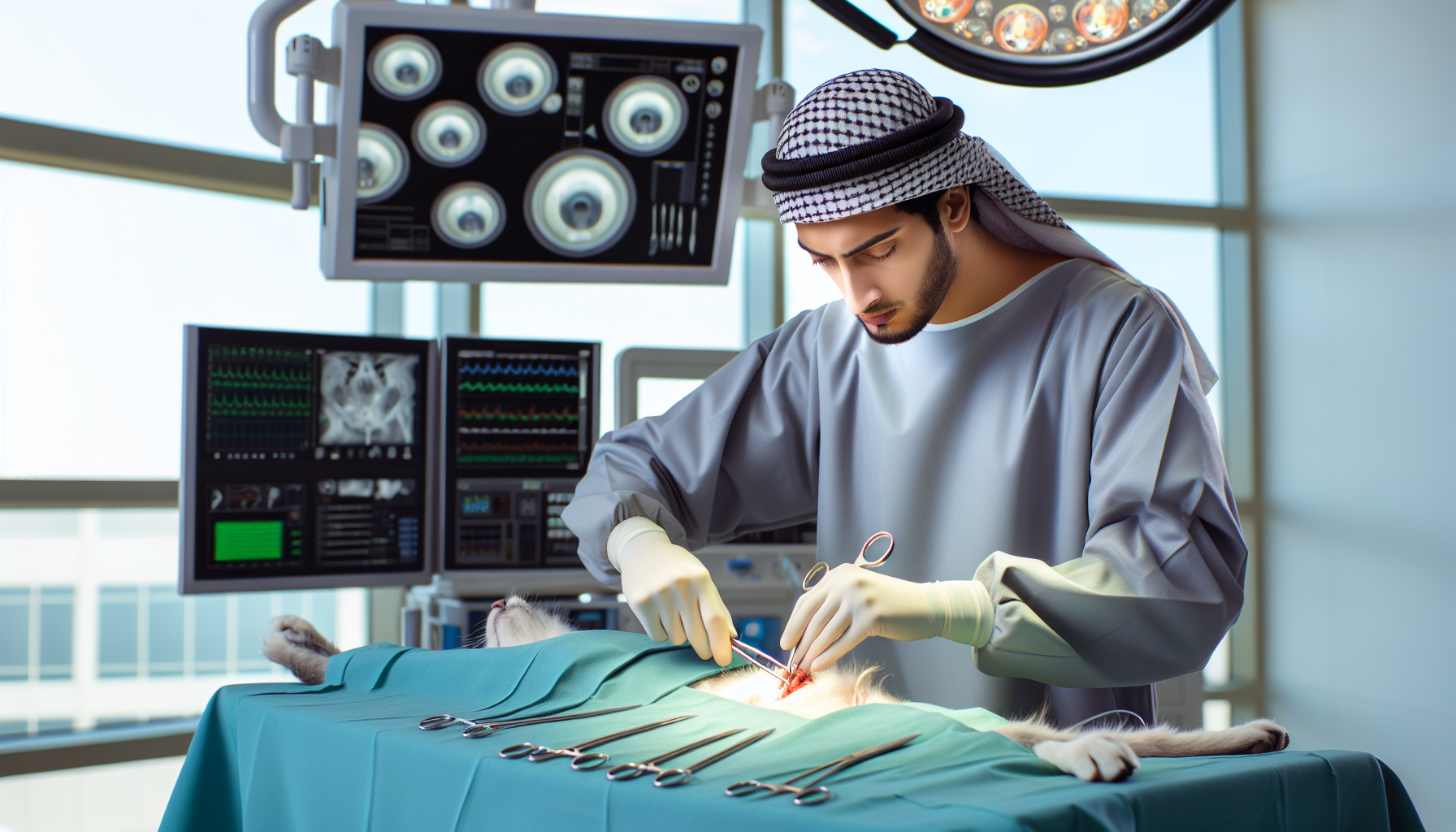
In a world where veterinary science has become as sophisticated as human medical care, the role of an animal surgeon stands paramount in preserving the health and well-being of our non-human companions. As an animal surgeon, your expertise bridges the gap between life and death for countless creatures, from domestic pets to exotic species. Your hands wield the tools of healing, undertaking intricate procedures with precision to mend bones, remove malignancies, and correct congenital anomalies. It is a profession of immense responsibility, requiring not only a deep knowledge of veterinary medicine but also a steadfast commitment to the ethical treatment of animals. With each successful operation, you restore more than physical health; you return the essence of vitality to both animals and the human lives they touch.

Animal Surgeon

Understanding the Role of an Animal Surgeon

Differentiation between Veterinary Surgeons and General Veterinarians

You might be wondering what exactly distinguishes an animal surgeon from a general veterinarian. While both are crucial to ensuring the health and wellbeing of animals, an animal surgeon has received additional extensive training to perform complex surgical procedures. Unlike general veterinarians who diagnose and treat a wide array of conditions, veterinary surgeons focus solely on surgical intervention. These professionals have the expertise to operate on various species, including but not limited to household pets, farm animals, and even wildlife.

Key Responsibilities and Duties of an Animal Surgeon

Your responsibilities as an animal surgeon are extensive. They involve preoperative diagnostics, such as reviewing the history and conducting physical exams, to determine the most appropriate surgical procedure. You must skillfully perform the surgery while managing any complications that arise. Post-operative care, including wound management and follow-ups to monitor recovery, is also a crucial aspect of your duties. Furthermore, maintaining detailed records and collaborating with other veterinary professionals to provide comprehensive care is fundamental to the role.

Education and Training Path to Becoming an Animal Surgeon

To embark on the path toward becoming an animal surgeon, you will need to invest a significant amount of time in education and training. After completing a bachelor’s degree, you must earn a Doctor of Veterinary Medicine (D.V.M. or V.M.D.) from an accredited college of veterinary medicine. Following veterinary school, a one-year internship and a three to four-year surgical residency program accredited by the American College of Veterinary Surgeons (ACVS) is required. Throughout this period, you will gain hands-on experience in various surgical techniques under the mentorship of experienced surgeons.

Certifications and Specializations

After finishing your residency, you must pass a rigorous board examination administered by the ACVS to become a board-certified veterinary surgeon. This certification is a testament to your expertise and commitment to the highest standard of surgical care. You may further specialize in a particular type of surgery such as orthopedics, neurosurgery, or soft tissue, each requiring additional training and expertise.

Areas of Specialization in Animal Surgery

Orthopedic Surgery for Animals

As an orthopedic specialist, you will focus on bones, joints, muscles, tendons, and ligaments. This specialization includes treating fractures, joint disorders such as hip dysplasia, and spinal conditions. Orthopedic surgery can significantly improve the quality of life for animals suffering from musculoskeletal issues.

Neurosurgery in Veterinary Practice

Neurosurgery involves operating on the central and peripheral nervous systems. Conditions such as intervertebral disc disease, congenital abnormalities, and traumatic injuries fall under your purview as a veterinary neurosurgeon. This area requires precision and a detailed understanding of neuroanatomy.

Oncological Surgeries for Pets

When dealing with oncological cases, your role is to surgically remove tumors and work alongside veterinary oncologists for comprehensive cancer treatment. This specialization often involves a multi-modal approach that may combine surgery with chemotherapy or radiation therapy.

Cardiothoracic Surgical Procedures

Specializing in cardiothoracic surgery means you will address conditions within the chest cavity, including those affecting the heart and lungs. Procedures can range from repairing congenital heart defects to removing lung tumors.

Ophthalmic Surgery for Vision Impairments

Your focus in ophthalmic surgery will be on treating diseases and injuries affecting the eyes. From cataract extractions to repairing corneal ulcers, your work will be essential in preserving or restoring the vision of your patients.

Soft Tissue Surgeries in Animals

This broad area encompasses surgeries of the internal organs, such as those within the gastrointestinal, respiratory, urogenital, and endocrine systems. You might perform procedures like removing foreign bodies, repairing hernias, or excising tumors.

Pre-surgical Evaluation and Planning

Importance of Comprehensive Health Assessments

Before any surgical procedure, you must conduct comprehensive health assessments to ensure the patient is a suitable candidate for surgery. This includes evaluating the animal’s history, physical examination, and any underlying conditions that may influence surgical outcomes.

Diagnostic Imaging and Tests

Advanced diagnostic imaging such as X-rays, ultrasound, CT scans, and MRIs, along with laboratory tests, will provide you with a detailed picture of the patient’s condition. These tools are indispensable in your pre-surgical planning, allowing for precise intervention.

Risk Assessment and Management

You must assess potential risks associated with the surgery and devise strategies to manage them effectively. This might involve coordinating with other specialists, choosing the appropriate surgical method, and preparing for possible emergency situations.

Surgery Consent and Legal Considerations

Obtaining informed consent from the owner is mandatory before proceeding with any surgical intervention. It is your responsibility to ensure they understand the procedure, risks, benefits, and potential outcomes. Legal considerations also come into play, requiring meticulous adherence to regulations and ethical standards.

Anesthesia and Pain Management in Veterinary Surgery

Types of Anesthesia Used in Animal Surgery

Selecting the appropriate type of anesthesia is critical for the patient’s safety. This could range from local anesthesia for minor procedures to general anesthesia for more extensive surgeries. Understanding the pharmacology and proper dosages is essential for your practice.

Monitoring Vital Signs During Surgery

Monitoring the animal’s vital signs during surgery is crucial. This includes keeping an eye on heart rate, blood pressure, respiratory rate, and oxygen saturation. Having trained veterinary technicians or nurses to assist you with this task ensures the well-being of the patient throughout the procedure.

Managing Post-operative Pain in Animals

Pain management is an integral part of post-operative care. By employing analgesics and anti-inflammatory drugs, you provide comfort and facilitate recovery. It is also important to educate the pet owner about pain management at home.

Anesthetic Complications and Emergency Protocols

Despite meticulous planning, anesthetic complications can occur. You must be prepared with emergency protocols to swiftly address any adversities. This could involve resuscitation measures, medication adjustments, or other lifesaving interventions.
Animal Surgeon

Surgical Techniques and Innovations

Minimally Invasive Surgery: Laparoscopy and Endoscopy

Embracing minimally invasive techniques such as laparoscopy and endoscopy benefits your patients by reducing pain and recovery time. These techniques require specialized equipment and a high level of skill but can result in less trauma and quicker discharge times.

Robotic Surgery in Veterinary Medicine

Robotic surgery is gaining traction in veterinary medicine. While currently more prevalent in human medicine, it offers increased precision and control, potentially transforming the future of animal surgery.

Advancements in Wound Closure Methods

Staying updated on advancements in wound closure is part of your job. This includes techniques such as tissue adhesives, barbed sutures, and laser-assisted repair, which can improve healing times and cosmetic outcomes.

Regenerative Medicine Techniques in Surgery

Regenerative medicine, such as stem cell therapy and platelet-rich plasma (PRP) treatments, has begun to revolutionize surgical recovery in veterinary medicine. These techniques can enhance tissue repair and offer new solutions for previously intractable conditions.

Common Surgical Procedures in Domestic Animals

Spaying and Neutering

Spaying and neutering are the most common surgical procedures you will perform, playing a critical role in population control and preventing reproductive diseases.

Dental Surgeries for Oral Health

Dental surgeries may include extractions, jaw fracture repairs, and treatment of periodontal disease. These procedures not only alleviate pain but also prevent systemic health issues related to poor oral hygiene.

Gastrointestinal Surgeries in Pets

Gastrointestinal surgeries can range from removing obstructions to correcting malformations. These surgeries are critical in resolving conditions that could otherwise lead to life-threatening complications.

Emergency Surgeries: Trauma and Accidents

As an animal surgeon, you must be ready to respond to emergencies, such as traumatic injuries and accidents. Rapid assessment and intervention can save lives and minimize long-term impact.

Post-operative Care and Rehabilitation

Essential Aspects of Post-surgery Monitoring

Post-surgery monitoring is vital to detect and address any complications promptly. This includes pain assessment, wound inspection, and ensuring the patient is recovering as expected.

Nutrition and Diet Management During Recovery

Proper nutrition and diet management play a significant role in recovery. You must provide guidance on the best dietary practices to support healing and overall health.

Physical Therapy and Rehabilitation Options

Post-surgical rehabilitation and physical therapy can significantly improve recovery outcomes. These methods help restore function, maintain muscle mass, and reduce recovery time.

Identifying and Managing Complications After Surgery

You must be vigilant in identifying potential complications such as infections, dehiscence, or thromboembolic events. Prompt management of these issues is key to successful recovery.

Ethics in Animal Surgery

Informed Consent in Veterinary Practices

In veterinary practices, obtaining informed consent is not only a legal requirement but also an ethical one. It reflects respect for the owner’s autonomy and their right to make decisions about their pet’s care.

Euthanasia Considerations in Non-recoverable Conditions

Euthanasia is a sensitive subject that you might confront when dealing with non-recoverable conditions. While difficult, it is sometimes the most humane option, and you must approach it with compassion and professionalism.

Animal Rights and Welfare in Surgical Interventions

Every surgical intervention you perform should prioritize the rights and welfare of the animal. This includes considering options that offer the best outcomes with the least distress and pain.

Ethical Dilemmas Faced by Animal Surgeons

As an animal surgeon, you may face various ethical dilemmas, from resource allocation to dealing with owners who refuse necessary treatments. Staying informed and grounded in ethical principles is crucial for navigating these challenges.

Owner Communication and Support

Explaining Surgical Procedures to Pet Owners

Effective communication with pet owners is essential. You must clearly explain the surgical procedures, risks, benefits, and aftercare to ensure they are fully informed and can provide proper care post-surgery.

Providing Emotional Support for Owners During Surgical Treatment

Owners may experience significant stress when their pets undergo surgery. Offering emotional support and reassurance can help ease their anxiety and build trust in your professional relationship.

Costs and Insurance Considerations for Animal Surgery

Discussing costs and insurance considerations upfront helps owners understand the financial aspects of surgical treatment. It is part of your role to provide transparent and realistic expectations.

Preparing Owners for Post-operative Home Care

Preparing owners for post-operative home care is a crucial step. Educating them on medication administration, wound care, and signs of complications empowers them to contribute positively to their pet’s recovery.

Challenges and Rewards of Being an Animal Surgeon

Dealing with High-stress Situations

The life of an animal surgeon involves high-stress situations, where quick decision-making and precision are paramount. Coping strategies and resilience are necessary skills for you to develop.

The Emotional Toll of Surgery on Veterinarians

You will occasionally face the emotional toll of surgery, especially in adverse outcomes. Having a support system and practicing self-care are important for sustaining your mental health and career longevity.

Success Stories and Breakthrough Cases

Despite the challenges, success stories and breakthrough cases provide immense satisfaction and are reminders of why you chose this profession. These moments fuel your passion and drive to advance in the field.

Contributions to Veterinary Medicine and Animal Welfare

Your work as an animal surgeon has a significant impact on veterinary medicine and animal welfare. Through dedicated care, continuous learning, and sharing knowledge, you contribute to the betterment of animals’ lives and the profession as a whole.

from Elite Charleston Vets https://elite-charleston-vets.com/animal-surgery/animal-surgeon/
via IFTTT

from Elite Charleston Vets https://elitecharlestonvets0.blogspot.com/2024/02/animal-surgeon.html
via IFTTT

from Elite Charleston Vets https://elitecharlestonvets.wordpress.com/2024/02/06/animal-surgeon/
via IFTTT

from Bonnie Linares https://bonnielinares.blogspot.com/2024/02/animal-surgeon.html
via IFTTT


from
https://bonnielinares0.wordpress.com/2024/02/06/animal-surgeon/

Saturday, 3 February 2024

Are Male Cats Neutered

In exploring the practice of neutering male cats, you will uncover the multilayered benefits it holds for both the animals and the community. This surgical procedure, wherein the testicles are removed, significantly reduces the likelihood of certain diseases, curbs overpopulation, and often leads to more harmonious behavior in feline companions. As you acquaint yourself with the intricacies of this topic, you will gain insights into how neutering not only impacts the health and quality of life of male cats but also the wider ecological and social dynamics they inhabit.

Understanding Neutering

Definition of Neutering

Neutering is a surgical procedure performed on male animals to render them infertile. Specifically, when you have your male cat neutered, its testes are removed, which eliminates the production of sperm and significantly reduces the secretion of certain hormones such as testosterone. It is a common practice performed on domestic animals and is a key component of responsible pet ownership.

The Medical Procedure Explained

When you decide to neuter your cat, you are signing up for a surgical procedure that involves the removal of the testicles. Under general anesthesia, a small incision is made in the front of the scrotum, and both testicles are carefully removed. The cord-like structures that attached them are tied off to prevent bleeding. Finally, the incisions may be closed with sutures or left to heal naturally, depending on the veterinarian’s judgment and the specific techniques used.

Differences Between Neutering and Spaying

The term “neutering” is often used interchangeably with “spaying,” but there is a significant difference between the two. Neutering refers specifically to the desexing of male animals, while spaying is the surgical removal of a female’s reproductive organs, namely the ovaries and usually the uterus. Both sterilization procedures are aimed at preventing unwanted litters and providing health benefits, but they differ in technical execution and complexity, with spaying generally being more invasive.

Reasons for Neutering

Population Control and Reducing Strays

Neutering is an essential tool in managing the overpopulation of cats. By rendering male cats incapable of fathering kittens, the procedure directly contributes to the reduction of unplanned and potentially homeless litters. Fewer homeless cats mean that animal shelters can focus their resources on improving the welfare of existing residents and ultimately lowering euthanasia rates.

Health Benefits for the Cat

You’ll find that there are a number of health benefits to neutering your cat. Without the influence of testosterone, the risk of developing testicular cancer is eradicated. Furthermore, neutered cats are less likely to suffer from prostatic hyperplasia and certain types of hernias.

Behavioral Advantages

Neutering often leads to a calmer and more predictable cat. You may notice a decrease in territorial aggression and a lesser tendency to roam. Behavioral changes typically occur because the cat’s body is no longer influenced by the high levels of testosterone associated with its sexual maturity.

Reducing the Risk of Certain Diseases

By neutering your cat, you can decrease its chances of contracting transmittable venereal tumors and feline immunodeficiency virus (FIV), both of which can spread through bites that often occur during fights over mates or territory. Additionally, neutering reduces the risk of contracting certain forms of cancer and other testosterone-influenced diseases.

Are Male Cats Neutered

The Best Age to Neuter

Early Age Neutering

In recent years, early age neutering—performed on kittens as young as eight weeks old—has gained acceptance among veterinarians and animal welfare organizations. It is considered safe and offers the advantages of fewer surgical complications and a quicker recovery. With early age neutering, the positive impact on population control can also be realized sooner.

Age Recommendations by Veterinarians

Typically, veterinarians recommend neutering cats between four to six months of age, before they hit puberty and begin exhibiting undesirable mating behaviors. However, every cat develops at a different rate, and factors like breed, size, and overall health may influence the timing. Your vet will provide guidance on the optimal age to neuter your kitten.

Factors Influencing the Timing of Neutering

Your decision on when to neuter your cat should also take into account lifestyle and environmental factors. An outdoor cat or one housed with females may be neutered earlier to prevent mating. Conversely, consideration may be given to delaying the procedure in case of health issues or slow development. Consultation with your veterinarian will ensure timing that is in the best interest of your cat’s health and well-being.

Preparing for the Neuter Procedure

Pre-surgical Blood Tests

Before the neutering procedure, your vet may perform blood tests to confirm that your cat is fit for surgery. These tests provide valuable information on the functioning of the kidneys and liver, which is critical as these organs process the anesthesia. They also rule out underlying conditions that could complicate the surgery or recovery process.

Fasting Before Surgery

You’ll be instructed to withhold food from your cat for a certain period before the surgery, typically the evening before. This fasting is essential to reduce the risk of vomiting and aspiration during anesthesia. Water can often be left available up until a few hours before the procedure.

What to Expect on the Day of Surgery

On the day of surgery, your cat will be admitted to the veterinary clinic early in the morning. You’ll likely be asked to fill out consent forms and provide contact information. Your cat will then be prepared for surgery, which includes administering pre-anesthetic medications, placing an intravenous catheter, and possibly shaving a small area around the surgical site.

Are Male Cats Neutered

The Neutering Procedure

Anesthesia and Monitoring

General anesthesia is administered to ensure your cat does not feel any pain during the procedure. A veterinary team will monitor vital signs such as heart rate, blood pressure, and oxygen levels throughout the surgery to ensure your pet’s safety.

Surgical Steps

Once under anesthesia, the veterinarian will make an incision on the scrotum, extract the testicles, and secure the blood vessels and spermatic cord to prevent bleeding. The method your vet uses may require sutures or may be self-sealing, where sutures are not necessary.

Post-operative Care

After the surgery, your cat will be placed in a quiet and comfortable environment to recover from the anesthesia. Pain relief will be provided to manage discomfort. Once your cat is awake and alert, you might be able to take him home, but some clinics prefer to keep pets overnight for observation.

Recovery Period

The recovery from neutering is usually rapid, with most cats resuming normal activities within a few days. You will receive instructions on how to care for your cat post-surgery, which will include keeping the incision clean and dry, and preventing your cat from licking or biting the area.

Post-Neuter Behavioral Changes

Reduction in Aggression

One of the most noticeable behavioral changes after neutering is a reduction in aggression. Since much of the aggression in unneutered males is driven by hormones and the urge to mate, its removal typically results in a more docile and less territorial cat.

Changes in Roaming Tendencies

Intact males will roam to find mates, which can lead to accidents or confrontations with other animals. After neutering, the desire to roam will decrease significantly, which means your cat is more likely to stay close to home, reducing the risk of injury and loss.

Effects on Spraying and Marking

Urine marking is a common behavior in intact males, used to claim territory and signal availability to females. Neutering can significantly reduce this behavior, although it may not eliminate it entirely if it has become a learned habit.

Impact on Interactions with Other Cats

With territorial and mating-driven behaviors minimized, your neutered cat may interact more peacefully with other cats. This can be beneficial in multi-cat households or communities where cats are free-roaming and likely to encounter one another.

Potential Complications and Their Management

Common Post-Surgical Complications

While neutering is a routine and typically safe procedure, as with any surgery, there can be complications. These might include reactions to anesthesia, infection, or hemorrhage. Your veterinarian’s surgical expertise and adherence to post-operative care instructions will mitigate most risks.

Warning Signs to Watch For

After the procedure, you should monitor your cat for signs of distress or complications. This includes checking for excessive redness, swelling, or discharge at the surgery site, lethargy, vomiting, or refusal to eat. Should these symptoms arise, contact your veterinarian immediately.

Managing Pain and Infection Risk

Your cat will likely be prescribed pain medication to alleviate any discomfort after surgery. Keeping the surgery area clean and preventing your cat from licking or scratching it will help to minimize the risk of infection. Your vet may also recommend an Elizabethan collar or other protective device.

Long-term Health Monitoring

Even after recovery from the neuter procedure, it’s important to continue regular check-ups with your veterinarian. This will facilitate early detection and management of any potential long-term health issues that may not be directly related to the neutering but could affect your cat’s general well-being.

The Costs of Neutering

Average Costs and Price Factors

The cost of neutering can vary widely depending on geographic location, the type of clinic, and the specific services provided. Some vet offices offer inclusive packages that cover pre-surgical blood work, anesthesia, pain medication, and follow-up, while others may itemize these services.

Assistance Programs and Low-Cost Services

Finances should not be a barrier to preventing unwanted litters and caring for your cat’s health. Many communities offer low-cost neutering services through local shelters, rescue organizations, or low-cost clinics. These programs are designed to make neutering accessible to everyone.

Insurance and Neuter Coverage

Pet insurance policies often cover neutering, either as part of the standard coverage or as an additional wellness option. Investing in an insurance policy that covers routine care can help alleviate financial concerns regarding the procedure.

Long-term Financial Benefits

Considering the costs associated with potential diseases, injuries related to roaming, or the care of unexpected litters, neutering can lead to significant long-term financial savings. Furthermore, it can spare you from the far greater emotional and financial costs of managing certain health conditions that are prevented by neutering.

Neutering Myths and Misconceptions

Dispelling Fears About Personality Changes

It is a common concern that neutering will fundamentally change a cat’s personality. While it can reduce aggressive and sexual behaviors, it does not alter the core temperament of your cat. Your playful and affectionate companion will remain so after the surgery.

Neutering Does Not Cause Laziness or Obesity

There’s a myth that neutering causes cats to become lazy and gain weight. In reality, weight gain is typically due to overfeeding and lack of exercise. Post-neutering, some cats may require fewer calories, so monitoring food intake and encouraging regular play can prevent obesity.

Addressing Concerns about Stunting Growth

Some are concerned that early age neutering can stunt a cat’s growth. Studies have shown this is not the case; cats will grow to their genetically determined size. Proper nutrition and care will ensure normal development.

Understanding the True Effects on Health and Behavior

Educating yourself on the benefits of neutering helps to distinguish fact from fiction. The procedure has overwhelmingly positive effects on health, behavior, and the well-being of cats as individuals and as a population.

Legal and Ethical Considerations

Mandatory Neutering Laws in Some Regions

Some regions have implemented mandatory neutering laws for cats to curb overpopulation and improve public health. Before acquiring a pet, familiarize yourself with local ordinances and comply accordingly to avoid legal repercussions.

Impact on Feral and Community Cats

Neutering is also part of TNR (Trap-Neuter-Return) programs that aim to control feral cat populations ethically. TNR involves trapping community cats, neutering them, and then returning them to their environment. This helps reduce the number of strays without resorting to euthanasia.

Ethical Debates Surrounding Neutering

While widely accepted, neutering does present ethical debates, with some arguing for the rights of animals to remain intact. However, the consensus is that the benefits outweigh any potential negatives, promoting the welfare of individual cats and the broader community.

Responsibilities of Cat Breeders and Owners

If you’re a breeder, ethical breeding practices require careful consideration of genetics and the sustainable placement of kittens. As a responsible owner, committing to neutering is part of your duty to ensure your cat leads a healthy, safe, and socially responsible life.

from Elite Charleston Vets https://elite-charleston-vets.com/animal-surgery/are-male-cats-neutered/
via IFTTT

from Elite Charleston Vets https://elitecharlestonvets0.blogspot.com/2024/02/are-male-cats-neutered.html
via IFTTT

from Elite Charleston Vets https://elitecharlestonvets0.blogspot.com/2024/02/are-male-cats-neutered_3.html
via IFTTT

from Elite Charleston Vets https://elitecharlestonvets0.blogspot.com/2024/02/are-male-cats-neutered_6.html
via IFTTT

from Elite Charleston Vets https://elitecharlestonvets0.blogspot.com/2024/02/are-male-cats-neutered_32.html
via IFTTT

from Elite Charleston Vets https://elitecharlestonvets.wordpress.com/2024/02/04/are-male-cats-neutered-4/
via IFTTT

from Bonnie Linares https://bonnielinares.blogspot.com/2024/02/are-male-cats-neutered_28.html
via IFTTT


from
https://bonnielinares0.wordpress.com/2024/02/04/are-male-cats-neutered-3/

Are Male Cats Neutered

In exploring the practice of neutering male cats, you will uncover the multilayered benefits it holds for both the animals and the community. This surgical procedure, wherein the testicles are removed, significantly reduces the likelihood of certain diseases, curbs overpopulation, and often leads to more harmonious behavior in feline companions. As you acquaint yourself with the intricacies of this topic, you will gain insights into how neutering not only impacts the health and quality of life of male cats but also the wider ecological and social dynamics they inhabit.

Understanding Neutering

Definition of Neutering

Neutering is a surgical procedure performed on male animals to render them infertile. Specifically, when you have your male cat neutered, its testes are removed, which eliminates the production of sperm and significantly reduces the secretion of certain hormones such as testosterone. It is a common practice performed on domestic animals and is a key component of responsible pet ownership.

The Medical Procedure Explained

When you decide to neuter your cat, you are signing up for a surgical procedure that involves the removal of the testicles. Under general anesthesia, a small incision is made in the front of the scrotum, and both testicles are carefully removed. The cord-like structures that attached them are tied off to prevent bleeding. Finally, the incisions may be closed with sutures or left to heal naturally, depending on the veterinarian’s judgment and the specific techniques used.

Differences Between Neutering and Spaying

The term “neutering” is often used interchangeably with “spaying,” but there is a significant difference between the two. Neutering refers specifically to the desexing of male animals, while spaying is the surgical removal of a female’s reproductive organs, namely the ovaries and usually the uterus. Both sterilization procedures are aimed at preventing unwanted litters and providing health benefits, but they differ in technical execution and complexity, with spaying generally being more invasive.

Reasons for Neutering

Population Control and Reducing Strays

Neutering is an essential tool in managing the overpopulation of cats. By rendering male cats incapable of fathering kittens, the procedure directly contributes to the reduction of unplanned and potentially homeless litters. Fewer homeless cats mean that animal shelters can focus their resources on improving the welfare of existing residents and ultimately lowering euthanasia rates.

Health Benefits for the Cat

You’ll find that there are a number of health benefits to neutering your cat. Without the influence of testosterone, the risk of developing testicular cancer is eradicated. Furthermore, neutered cats are less likely to suffer from prostatic hyperplasia and certain types of hernias.

Behavioral Advantages

Neutering often leads to a calmer and more predictable cat. You may notice a decrease in territorial aggression and a lesser tendency to roam. Behavioral changes typically occur because the cat’s body is no longer influenced by the high levels of testosterone associated with its sexual maturity.

Reducing the Risk of Certain Diseases

By neutering your cat, you can decrease its chances of contracting transmittable venereal tumors and feline immunodeficiency virus (FIV), both of which can spread through bites that often occur during fights over mates or territory. Additionally, neutering reduces the risk of contracting certain forms of cancer and other testosterone-influenced diseases.

Are Male Cats Neutered

The Best Age to Neuter

Early Age Neutering

In recent years, early age neutering—performed on kittens as young as eight weeks old—has gained acceptance among veterinarians and animal welfare organizations. It is considered safe and offers the advantages of fewer surgical complications and a quicker recovery. With early age neutering, the positive impact on population control can also be realized sooner.

Age Recommendations by Veterinarians

Typically, veterinarians recommend neutering cats between four to six months of age, before they hit puberty and begin exhibiting undesirable mating behaviors. However, every cat develops at a different rate, and factors like breed, size, and overall health may influence the timing. Your vet will provide guidance on the optimal age to neuter your kitten.

Factors Influencing the Timing of Neutering

Your decision on when to neuter your cat should also take into account lifestyle and environmental factors. An outdoor cat or one housed with females may be neutered earlier to prevent mating. Conversely, consideration may be given to delaying the procedure in case of health issues or slow development. Consultation with your veterinarian will ensure timing that is in the best interest of your cat’s health and well-being.

Preparing for the Neuter Procedure

Pre-surgical Blood Tests

Before the neutering procedure, your vet may perform blood tests to confirm that your cat is fit for surgery. These tests provide valuable information on the functioning of the kidneys and liver, which is critical as these organs process the anesthesia. They also rule out underlying conditions that could complicate the surgery or recovery process.

Fasting Before Surgery

You’ll be instructed to withhold food from your cat for a certain period before the surgery, typically the evening before. This fasting is essential to reduce the risk of vomiting and aspiration during anesthesia. Water can often be left available up until a few hours before the procedure.

What to Expect on the Day of Surgery

On the day of surgery, your cat will be admitted to the veterinary clinic early in the morning. You’ll likely be asked to fill out consent forms and provide contact information. Your cat will then be prepared for surgery, which includes administering pre-anesthetic medications, placing an intravenous catheter, and possibly shaving a small area around the surgical site.

Are Male Cats Neutered

The Neutering Procedure

Anesthesia and Monitoring

General anesthesia is administered to ensure your cat does not feel any pain during the procedure. A veterinary team will monitor vital signs such as heart rate, blood pressure, and oxygen levels throughout the surgery to ensure your pet’s safety.

Surgical Steps

Once under anesthesia, the veterinarian will make an incision on the scrotum, extract the testicles, and secure the blood vessels and spermatic cord to prevent bleeding. The method your vet uses may require sutures or may be self-sealing, where sutures are not necessary.

Post-operative Care

After the surgery, your cat will be placed in a quiet and comfortable environment to recover from the anesthesia. Pain relief will be provided to manage discomfort. Once your cat is awake and alert, you might be able to take him home, but some clinics prefer to keep pets overnight for observation.

Recovery Period

The recovery from neutering is usually rapid, with most cats resuming normal activities within a few days. You will receive instructions on how to care for your cat post-surgery, which will include keeping the incision clean and dry, and preventing your cat from licking or biting the area.

Post-Neuter Behavioral Changes

Reduction in Aggression

One of the most noticeable behavioral changes after neutering is a reduction in aggression. Since much of the aggression in unneutered males is driven by hormones and the urge to mate, its removal typically results in a more docile and less territorial cat.

Changes in Roaming Tendencies

Intact males will roam to find mates, which can lead to accidents or confrontations with other animals. After neutering, the desire to roam will decrease significantly, which means your cat is more likely to stay close to home, reducing the risk of injury and loss.

Effects on Spraying and Marking

Urine marking is a common behavior in intact males, used to claim territory and signal availability to females. Neutering can significantly reduce this behavior, although it may not eliminate it entirely if it has become a learned habit.

Impact on Interactions with Other Cats

With territorial and mating-driven behaviors minimized, your neutered cat may interact more peacefully with other cats. This can be beneficial in multi-cat households or communities where cats are free-roaming and likely to encounter one another.

Potential Complications and Their Management

Common Post-Surgical Complications

While neutering is a routine and typically safe procedure, as with any surgery, there can be complications. These might include reactions to anesthesia, infection, or hemorrhage. Your veterinarian’s surgical expertise and adherence to post-operative care instructions will mitigate most risks.

Warning Signs to Watch For

After the procedure, you should monitor your cat for signs of distress or complications. This includes checking for excessive redness, swelling, or discharge at the surgery site, lethargy, vomiting, or refusal to eat. Should these symptoms arise, contact your veterinarian immediately.

Managing Pain and Infection Risk

Your cat will likely be prescribed pain medication to alleviate any discomfort after surgery. Keeping the surgery area clean and preventing your cat from licking or scratching it will help to minimize the risk of infection. Your vet may also recommend an Elizabethan collar or other protective device.

Long-term Health Monitoring

Even after recovery from the neuter procedure, it’s important to continue regular check-ups with your veterinarian. This will facilitate early detection and management of any potential long-term health issues that may not be directly related to the neutering but could affect your cat’s general well-being.

The Costs of Neutering

Average Costs and Price Factors

The cost of neutering can vary widely depending on geographic location, the type of clinic, and the specific services provided. Some vet offices offer inclusive packages that cover pre-surgical blood work, anesthesia, pain medication, and follow-up, while others may itemize these services.

Assistance Programs and Low-Cost Services

Finances should not be a barrier to preventing unwanted litters and caring for your cat’s health. Many communities offer low-cost neutering services through local shelters, rescue organizations, or low-cost clinics. These programs are designed to make neutering accessible to everyone.

Insurance and Neuter Coverage

Pet insurance policies often cover neutering, either as part of the standard coverage or as an additional wellness option. Investing in an insurance policy that covers routine care can help alleviate financial concerns regarding the procedure.

Long-term Financial Benefits

Considering the costs associated with potential diseases, injuries related to roaming, or the care of unexpected litters, neutering can lead to significant long-term financial savings. Furthermore, it can spare you from the far greater emotional and financial costs of managing certain health conditions that are prevented by neutering.

Neutering Myths and Misconceptions

Dispelling Fears About Personality Changes

It is a common concern that neutering will fundamentally change a cat’s personality. While it can reduce aggressive and sexual behaviors, it does not alter the core temperament of your cat. Your playful and affectionate companion will remain so after the surgery.

Neutering Does Not Cause Laziness or Obesity

There’s a myth that neutering causes cats to become lazy and gain weight. In reality, weight gain is typically due to overfeeding and lack of exercise. Post-neutering, some cats may require fewer calories, so monitoring food intake and encouraging regular play can prevent obesity.

Addressing Concerns about Stunting Growth

Some are concerned that early age neutering can stunt a cat’s growth. Studies have shown this is not the case; cats will grow to their genetically determined size. Proper nutrition and care will ensure normal development.

Understanding the True Effects on Health and Behavior

Educating yourself on the benefits of neutering helps to distinguish fact from fiction. The procedure has overwhelmingly positive effects on health, behavior, and the well-being of cats as individuals and as a population.

Legal and Ethical Considerations

Mandatory Neutering Laws in Some Regions

Some regions have implemented mandatory neutering laws for cats to curb overpopulation and improve public health. Before acquiring a pet, familiarize yourself with local ordinances and comply accordingly to avoid legal repercussions.

Impact on Feral and Community Cats

Neutering is also part of TNR (Trap-Neuter-Return) programs that aim to control feral cat populations ethically. TNR involves trapping community cats, neutering them, and then returning them to their environment. This helps reduce the number of strays without resorting to euthanasia.

Ethical Debates Surrounding Neutering

While widely accepted, neutering does present ethical debates, with some arguing for the rights of animals to remain intact. However, the consensus is that the benefits outweigh any potential negatives, promoting the welfare of individual cats and the broader community.

Responsibilities of Cat Breeders and Owners

If you’re a breeder, ethical breeding practices require careful consideration of genetics and the sustainable placement of kittens. As a responsible owner, committing to neutering is part of your duty to ensure your cat leads a healthy, safe, and socially responsible life.

from Elite Charleston Vets https://elite-charleston-vets.com/animal-surgery/are-male-cats-neutered/
via IFTTT

from Elite Charleston Vets https://elitecharlestonvets0.blogspot.com/2024/02/are-male-cats-neutered.html
via IFTTT

from Elite Charleston Vets https://elitecharlestonvets0.blogspot.com/2024/02/are-male-cats-neutered_3.html
via IFTTT

from Elite Charleston Vets https://elitecharlestonvets.wordpress.com/2024/02/04/are-male-cats-neutered-2/
via IFTTT

from Bonnie Linares https://bonnielinares.blogspot.com/2024/02/are-male-cats-neutered_3.html
via IFTTT


from
https://bonnielinares0.wordpress.com/2024/02/04/are-male-cats-neutered-2/

Are Male Cats Neutered

In exploring the practice of neutering male cats, you will uncover the multilayered benefits it holds for both the animals and the community. This surgical procedure, wherein the testicles are removed, significantly reduces the likelihood of certain diseases, curbs overpopulation, and often leads to more harmonious behavior in feline companions. As you acquaint yourself with the intricacies of this topic, you will gain insights into how neutering not only impacts the health and quality of life of male cats but also the wider ecological and social dynamics they inhabit.

Understanding Neutering

Definition of Neutering

Neutering is a surgical procedure performed on male animals to render them infertile. Specifically, when you have your male cat neutered, its testes are removed, which eliminates the production of sperm and significantly reduces the secretion of certain hormones such as testosterone. It is a common practice performed on domestic animals and is a key component of responsible pet ownership.

The Medical Procedure Explained

When you decide to neuter your cat, you are signing up for a surgical procedure that involves the removal of the testicles. Under general anesthesia, a small incision is made in the front of the scrotum, and both testicles are carefully removed. The cord-like structures that attached them are tied off to prevent bleeding. Finally, the incisions may be closed with sutures or left to heal naturally, depending on the veterinarian’s judgment and the specific techniques used.

Differences Between Neutering and Spaying

The term “neutering” is often used interchangeably with “spaying,” but there is a significant difference between the two. Neutering refers specifically to the desexing of male animals, while spaying is the surgical removal of a female’s reproductive organs, namely the ovaries and usually the uterus. Both sterilization procedures are aimed at preventing unwanted litters and providing health benefits, but they differ in technical execution and complexity, with spaying generally being more invasive.

Reasons for Neutering

Population Control and Reducing Strays

Neutering is an essential tool in managing the overpopulation of cats. By rendering male cats incapable of fathering kittens, the procedure directly contributes to the reduction of unplanned and potentially homeless litters. Fewer homeless cats mean that animal shelters can focus their resources on improving the welfare of existing residents and ultimately lowering euthanasia rates.

Health Benefits for the Cat

You’ll find that there are a number of health benefits to neutering your cat. Without the influence of testosterone, the risk of developing testicular cancer is eradicated. Furthermore, neutered cats are less likely to suffer from prostatic hyperplasia and certain types of hernias.

Behavioral Advantages

Neutering often leads to a calmer and more predictable cat. You may notice a decrease in territorial aggression and a lesser tendency to roam. Behavioral changes typically occur because the cat’s body is no longer influenced by the high levels of testosterone associated with its sexual maturity.

Reducing the Risk of Certain Diseases

By neutering your cat, you can decrease its chances of contracting transmittable venereal tumors and feline immunodeficiency virus (FIV), both of which can spread through bites that often occur during fights over mates or territory. Additionally, neutering reduces the risk of contracting certain forms of cancer and other testosterone-influenced diseases.

Are Male Cats Neutered

The Best Age to Neuter

Early Age Neutering

In recent years, early age neutering—performed on kittens as young as eight weeks old—has gained acceptance among veterinarians and animal welfare organizations. It is considered safe and offers the advantages of fewer surgical complications and a quicker recovery. With early age neutering, the positive impact on population control can also be realized sooner.

Age Recommendations by Veterinarians

Typically, veterinarians recommend neutering cats between four to six months of age, before they hit puberty and begin exhibiting undesirable mating behaviors. However, every cat develops at a different rate, and factors like breed, size, and overall health may influence the timing. Your vet will provide guidance on the optimal age to neuter your kitten.

Factors Influencing the Timing of Neutering

Your decision on when to neuter your cat should also take into account lifestyle and environmental factors. An outdoor cat or one housed with females may be neutered earlier to prevent mating. Conversely, consideration may be given to delaying the procedure in case of health issues or slow development. Consultation with your veterinarian will ensure timing that is in the best interest of your cat’s health and well-being.

Preparing for the Neuter Procedure

Pre-surgical Blood Tests

Before the neutering procedure, your vet may perform blood tests to confirm that your cat is fit for surgery. These tests provide valuable information on the functioning of the kidneys and liver, which is critical as these organs process the anesthesia. They also rule out underlying conditions that could complicate the surgery or recovery process.

Fasting Before Surgery

You’ll be instructed to withhold food from your cat for a certain period before the surgery, typically the evening before. This fasting is essential to reduce the risk of vomiting and aspiration during anesthesia. Water can often be left available up until a few hours before the procedure.

What to Expect on the Day of Surgery

On the day of surgery, your cat will be admitted to the veterinary clinic early in the morning. You’ll likely be asked to fill out consent forms and provide contact information. Your cat will then be prepared for surgery, which includes administering pre-anesthetic medications, placing an intravenous catheter, and possibly shaving a small area around the surgical site.

Are Male Cats Neutered

The Neutering Procedure

Anesthesia and Monitoring

General anesthesia is administered to ensure your cat does not feel any pain during the procedure. A veterinary team will monitor vital signs such as heart rate, blood pressure, and oxygen levels throughout the surgery to ensure your pet’s safety.

Surgical Steps

Once under anesthesia, the veterinarian will make an incision on the scrotum, extract the testicles, and secure the blood vessels and spermatic cord to prevent bleeding. The method your vet uses may require sutures or may be self-sealing, where sutures are not necessary.

Post-operative Care

After the surgery, your cat will be placed in a quiet and comfortable environment to recover from the anesthesia. Pain relief will be provided to manage discomfort. Once your cat is awake and alert, you might be able to take him home, but some clinics prefer to keep pets overnight for observation.

Recovery Period

The recovery from neutering is usually rapid, with most cats resuming normal activities within a few days. You will receive instructions on how to care for your cat post-surgery, which will include keeping the incision clean and dry, and preventing your cat from licking or biting the area.

Post-Neuter Behavioral Changes

Reduction in Aggression

One of the most noticeable behavioral changes after neutering is a reduction in aggression. Since much of the aggression in unneutered males is driven by hormones and the urge to mate, its removal typically results in a more docile and less territorial cat.

Changes in Roaming Tendencies

Intact males will roam to find mates, which can lead to accidents or confrontations with other animals. After neutering, the desire to roam will decrease significantly, which means your cat is more likely to stay close to home, reducing the risk of injury and loss.

Effects on Spraying and Marking

Urine marking is a common behavior in intact males, used to claim territory and signal availability to females. Neutering can significantly reduce this behavior, although it may not eliminate it entirely if it has become a learned habit.

Impact on Interactions with Other Cats

With territorial and mating-driven behaviors minimized, your neutered cat may interact more peacefully with other cats. This can be beneficial in multi-cat households or communities where cats are free-roaming and likely to encounter one another.

Potential Complications and Their Management

Common Post-Surgical Complications

While neutering is a routine and typically safe procedure, as with any surgery, there can be complications. These might include reactions to anesthesia, infection, or hemorrhage. Your veterinarian’s surgical expertise and adherence to post-operative care instructions will mitigate most risks.

Warning Signs to Watch For

After the procedure, you should monitor your cat for signs of distress or complications. This includes checking for excessive redness, swelling, or discharge at the surgery site, lethargy, vomiting, or refusal to eat. Should these symptoms arise, contact your veterinarian immediately.

Managing Pain and Infection Risk

Your cat will likely be prescribed pain medication to alleviate any discomfort after surgery. Keeping the surgery area clean and preventing your cat from licking or scratching it will help to minimize the risk of infection. Your vet may also recommend an Elizabethan collar or other protective device.

Long-term Health Monitoring

Even after recovery from the neuter procedure, it’s important to continue regular check-ups with your veterinarian. This will facilitate early detection and management of any potential long-term health issues that may not be directly related to the neutering but could affect your cat’s general well-being.

The Costs of Neutering

Average Costs and Price Factors

The cost of neutering can vary widely depending on geographic location, the type of clinic, and the specific services provided. Some vet offices offer inclusive packages that cover pre-surgical blood work, anesthesia, pain medication, and follow-up, while others may itemize these services.

Assistance Programs and Low-Cost Services

Finances should not be a barrier to preventing unwanted litters and caring for your cat’s health. Many communities offer low-cost neutering services through local shelters, rescue organizations, or low-cost clinics. These programs are designed to make neutering accessible to everyone.

Insurance and Neuter Coverage

Pet insurance policies often cover neutering, either as part of the standard coverage or as an additional wellness option. Investing in an insurance policy that covers routine care can help alleviate financial concerns regarding the procedure.

Long-term Financial Benefits

Considering the costs associated with potential diseases, injuries related to roaming, or the care of unexpected litters, neutering can lead to significant long-term financial savings. Furthermore, it can spare you from the far greater emotional and financial costs of managing certain health conditions that are prevented by neutering.

Neutering Myths and Misconceptions

Dispelling Fears About Personality Changes

It is a common concern that neutering will fundamentally change a cat’s personality. While it can reduce aggressive and sexual behaviors, it does not alter the core temperament of your cat. Your playful and affectionate companion will remain so after the surgery.

Neutering Does Not Cause Laziness or Obesity

There’s a myth that neutering causes cats to become lazy and gain weight. In reality, weight gain is typically due to overfeeding and lack of exercise. Post-neutering, some cats may require fewer calories, so monitoring food intake and encouraging regular play can prevent obesity.

Addressing Concerns about Stunting Growth

Some are concerned that early age neutering can stunt a cat’s growth. Studies have shown this is not the case; cats will grow to their genetically determined size. Proper nutrition and care will ensure normal development.

Understanding the True Effects on Health and Behavior

Educating yourself on the benefits of neutering helps to distinguish fact from fiction. The procedure has overwhelmingly positive effects on health, behavior, and the well-being of cats as individuals and as a population.

Legal and Ethical Considerations

Mandatory Neutering Laws in Some Regions

Some regions have implemented mandatory neutering laws for cats to curb overpopulation and improve public health. Before acquiring a pet, familiarize yourself with local ordinances and comply accordingly to avoid legal repercussions.

Impact on Feral and Community Cats

Neutering is also part of TNR (Trap-Neuter-Return) programs that aim to control feral cat populations ethically. TNR involves trapping community cats, neutering them, and then returning them to their environment. This helps reduce the number of strays without resorting to euthanasia.

Ethical Debates Surrounding Neutering

While widely accepted, neutering does present ethical debates, with some arguing for the rights of animals to remain intact. However, the consensus is that the benefits outweigh any potential negatives, promoting the welfare of individual cats and the broader community.

Responsibilities of Cat Breeders and Owners

If you’re a breeder, ethical breeding practices require careful consideration of genetics and the sustainable placement of kittens. As a responsible owner, committing to neutering is part of your duty to ensure your cat leads a healthy, safe, and socially responsible life.

from Elite Charleston Vets https://elite-charleston-vets.com/animal-surgery/are-male-cats-neutered/
via IFTTT

from Elite Charleston Vets https://elitecharlestonvets0.blogspot.com/2024/02/are-male-cats-neutered.html
via IFTTT

from Elite Charleston Vets https://elitecharlestonvets.wordpress.com/2024/02/04/are-male-cats-neutered/
via IFTTT

from Bonnie Linares https://bonnielinares.blogspot.com/2024/02/are-male-cats-neutered.html
via IFTTT


from
https://bonnielinares0.wordpress.com/2024/02/04/are-male-cats-neutered/

Thursday, 1 February 2024

Cat Only Vet Clinics Near Me

In an environment uniquely tailored to suit the sensitivities of felines, cat-only veterinary clinics provide a specialized haven where your cherished companions can receive medical care. With a focus on reducing the stress often associated with the presence of other animals, these clinics offer services that cater exclusively to the needs of cats. Understanding the intricacies of feline health, professionals at these establishments are equipped with advanced knowledge and tools specifically designed for the treatment of cats, ensuring that your pet receives undivided attention and the most comprehensive care possible. As you seek out a “cat only vet clinic near me,” rest assured that you are taking a step towards exceptional and personalized healthcare for your feline friend.

Understanding Cat-Only Vet Clinics

Defining Cat-Only Veterinary Practice

Cat-only veterinary practice designates a vet clinic that exclusively treats feline patients. If you’re a cat owner, your priority is to ensure your furry companion receives the best care possible. A cat-only vet clinic is one that has chosen to specialize in the unique needs of cats, distancing itself from practices that serve a wide range of animals. Every aspect of a cat-only vet clinic is designed with your cat’s well-being in mind, from the layout of the clinic to the training of the staff and the services offered.

Benefits of Specialized Cat Care

As you seek specialized care for your cat, you’ll find that a major benefit is the clinic’s deep understanding of feline behavior and health. Cats are not simply small dogs; they have their own specific health and emotional needs. Cat-only clinics are quiet, stress-free environments without the loud barking or unfamiliar smells of dogs that can cause anxiety in cats. The focus on felines allows veterinarians to develop a richer knowledge base concerning cat-specific diseases and treatments, ensuring your pet receives the most up-to-date and effective care.

The Growing Trend for Feline-Only Clinics

The pet healthcare sector has recognized the importance of specialized care, leading to a growing trend of cat-only clinics. You aren’t alone in wanting the best for your cat; many cat owners are now seeking out these specialized services. This trend reflects a greater awareness that cats thrive in environments tailored to their unique mental and physical health requirements.

Finding Cat-Only Clinics in Your Area

Utilizing Online Vet Clinic Directories

To find a cat-only vet clinic near you, consider using online veterinary directories. These resources can help pinpoint clinics that cater to cats exclusively. You’ll often find filters that enable you to search for specific types of practices, such as those for cats only, which can save you time and provide you with a list of potential clinics in your vicinity.

Leveraging Search Engines Effectively

Another method to locate nearby cat-only clinics is by utilizing search engines. Use keywords such as “cat-only vet clinics near me” or “feline veterinary practice in [your city/area].” The search results will often provide you with not just names but also reviews and exact locations to assist you further in making an informed decision.

The Importance of Proximity in Veterinary Care

While finding a specialized clinic is important, so too is considering the clinic’s proximity to your home. In an emergency, you will want to ensure that you can get your cat to the vet as quickly as possible. Additionally, shorter travel distance means less stress for your cat and easier follow-up visits.

Cat Only Vet Clinics Near Me

Services Offered by Cat-Only Clinics

Wellness and Preventative Care

A fundamental service offered by cat-only clinics is wellness and preventative care. This encompasses routine exams, vaccinations, parasite control, and early detection of potential health issues. By focusing solely on cats, these clinics are adept at recognizing the early signs of illness that are unique to felines.

Dental Services for Cats

Dental health is as important for cats as it is for humans. Cat-only clinics often provide comprehensive dental services – from cleanings to extractions – in an environment that minimizes the stress associated with dental procedures.

Behavioral Consultations

Cats can display complex behavioral issues that may be difficult to manage. Cat-only clinics may offer behavioral consultations to address concerns like inappropriate elimination, aggression, or anxiety. The veterinary staff will use their specialized knowledge to advise you on the best course of action.

Emergency Services Exclusive to Felines

In the event of an emergency, a cat-only clinic is equipped to handle critical situations pertaining to cats. This can range from acute medical conditions to traumatic injuries, all treated by professionals with feline-specific knowledge.

Qualifications of Feline Veterinarians

Certifications and Specialized Training

Veterinarians working in cat-only clinics often have certifications and specialized training in feline medicine. They may be members of groups such as the American Association of Feline Practitioners. This ensures they are up to date with the latest in cat healthcare and can offer the best treatment options.

Experience in Feline Medicine

In addition to formal qualifications, practical experience in treating a wide array of feline conditions is paramount. A vet’s expertise in feline medicine often directly translates to better health outcomes for your cat.

Continuing Education in Feline Health

The field of veterinary medicine is always advancing. Continuing education ensures that feline veterinarians stay knowledgeable about the latest research, techniques, and treatments in cat healthcare, allowing them to provide exceptional service.

Cat Only Vet Clinics Near Me

Advantages of Cat-Only Vet Clinics

Reduced Stress for Feline Patients

One of the primary advantages of a cat-only vet clinic is the reduced stress environment for your feline companion. The absence of other types of animals, the specialized handling techniques, and a calm atmosphere all contribute to a more positive vet experience for your cat.

Tailored Facilities for Cats

Clinics dedicated to cats have tailored facilities designed to meet the specific needs of felines. This ranges from cat-friendly waiting rooms and examination tables to cat-specific medical equipment and recovery areas, ensuring your pet’s comfort and safety.

Feline-Specific Medical Expertise

In a cat-only clinic, you have access to feline-specific medical expertise. The vet’s focused practice means they have a deep understanding of the subtleties of cat health issues and are equipped with the precise skills needed for diagnosis and treatment.

Personalized Cat Care Programs

Your cat will benefit from personalized care programs that are specifically designed for different stages of feline life. From kittenhood to senior care, these programs are customized to support the health and well-being of your cat throughout its life.

What to Expect During Your Visit

Initial Assessment and Cat History

Upon your visit, you’ll go through an initial assessment that captures your cat’s medical history including previous conditions, behaviors, and any concerns you may currently have. This comprehensive history is crucial for providing your cat with personalized care.

Veterinary Examinations and Procedures

During veterinary examinations, you can expect your cat to be treated with gentle handling and the utmost care. Procedures, whether routine or advanced, are performed with equipment and techniques specifically suited for cats, and your vet will explain each step of the process to you.

Communication with the Cat Specialist

Effective communication is key. You’ll find that your feline veterinarian takes the time to discuss their findings, answer your questions, and offer advice on the best care for your cat.

Follow-Up Care and Recommendations

After your appointment, you’ll receive clear instructions on any follow-up care your cat may need. Whether it’s medication administration or a future check-up, your vet will ensure you’re well-informed.

The Role of Cat Behavior Specialists

Addressing Feline Behavioral Issues

Cat behavior specialists are an integral part of the team in cat-only clinics, where they address and help manage a variety of feline behavioral issues. Their expertise is invaluable for creating a harmonious living situation for both you and your cat.

Implementing Behavior Modification Plans

Working closely with you, behavior specialists develop and implement modification plans to correct or manage unwanted behaviors. These plans are individualized, considering the unique nature and circumstances of each cat.

Supporting Cat Owners Through Education

Education is a responsibility that cat behavior specialists embrace. They equip you with the knowledge and skills to understand your cat’s behavior, which can improve the bond you share with your feline friend and enhance its quality of life.

Cost Considerations of Cat-Only Vet Services

Understanding Fee Structures

Understanding the fee structure of cat-only vet services is important. Typically, you may find that specialized clinics have premium pricing due to their focused expertise and high-quality services. It’s helpful to inquire about the cost of specific services when selecting a clinic.

Insurance and Payment Options for Cat Health

Looking into insurance options for your cat’s health can mitigate some of the costs associated with specialized veterinary care. Additionally, some cat-only clinics may offer various payment plans to make their services more accessible.

Comparing Costs with Non-Specialized Clinics

It’s wise to compare costs with non-specialized clinics to get a full picture of the financial aspect of your cat’s care. Remember that while specialized clinics may be more expensive, the quality of care and cat-specific expertise can lead to better health outcomes, potentially saving you money in the long run.

Reviews and Testimonials

Evaluating Client Experiences

When choosing a cat-only vet clinic, it’s beneficial to evaluate the experiences of other clients. Reviews and testimonials can provide insight into the clinic’s quality of service, patient care, and overall satisfaction.

Testimonials on Specialized Feline Care

Specifically, testimonials that speak to the effectiveness of specialized feline care may influence your decision. Hearing firsthand about other cat owners’ positive experiences can be reassuring.

Choosing a Vet Based on Community Feedback

Community feedback can be a determining factor in choosing a vet. Positive word-of-mouth recommendations and high ratings can bolster your confidence in a clinic’s ability to care for your cat’s health and well-being.

Ensuring Long-term Feline Health and Wellness

Preventative Care Programs

Long-term health and wellness for your cat begin with preventative care programs offered by cat-only clinics. These programs are designed to prevent disease and detect any health issues early on, promoting a long, healthy life for your beloved pet.

Nutritional Counseling for Cats

Proper nutrition is a cornerstone of feline health. Cat-only clinics provide nutritional counseling to help you understand your cat’s dietary needs, which change throughout its lifespan and must be adjusted accordingly.

Senior Cat Care and Managing Age-Related Issues

As cats age, they require specialized care to manage age-related issues. Cat-only clinics are proficient in providing senior cat care, focusing on comfort, mobility, and the management of chronic conditions, ensuring your senior cat maintains the best quality of life possible.

from Elite Charleston Vets https://elite-charleston-vets.com/animal-surgery/cat-only-vet-clinics-near-me/
via IFTTT

from Elite Charleston Vets https://elitecharlestonvets0.blogspot.com/2024/02/cat-only-vet-clinics-near-me.html
via IFTTT

from Elite Charleston Vets https://elitecharlestonvets.wordpress.com/2024/02/02/cat-only-vet-clinics-near-me/
via IFTTT

from Bonnie Linares https://bonnielinares.blogspot.com/2024/02/cat-only-vet-clinics-near-me.html
via IFTTT


from
https://bonnielinares0.wordpress.com/2024/02/02/cat-only-vet-clinics-near-me/

Kitten Hernia After Spay

In the aftermath of a spaying procedure, you may find yourself facing an unexpected complication—hernia development in your kitten. This exigency can be both alarming and perplexing, often manifesting as a bulge or swelling near the surgical site. Your role in monitoring and responding to such post-operative irregularities is crucial for the well-being and swift recovery of your feline companion. A comprehension of the types and causes of hernias, coupled with prompt veterinary intervention, can mitigate the potential risks associated with this condition. The following discussion elucidates the critical aspects of post-spay hernias in kittens and outlines the necessary steps for addressing this surgical aftermath.

Kitten Hernia After Spay

Understanding Kitten Hernias

Definition of Hernia

A hernia occurs when an organ or fatty tissue squeezes through a weak spot in the surrounding muscle or connective tissue. The most common hernias in animals and people are those that occur in the abdominal wall.

Types of Hernias in Kittens

In kittens, hernias can be congenital or acquired. Congenital hernias are present at birth and include types such as umbilical hernias, which occur where the umbilical cord enters the abdominal wall, and inguinal hernias, found in the groin area. Acquired hernias can develop as a result of trauma or due to increased pressure within the abdomen.

Causes and Risk Factors for Hernias in Felines

The exact cause of hernias in kittens may not always be known, but several risk factors contribute to their development. For acquired hernias, anything that increases pressure in the abdomen, such as coughing, obesity, or physical trauma, can lead to a hernia. During spaying, which involves an incision in the abdominal wall, hernias can occur if the surgical site does not heal properly or if the kitten engages in excessive activity too soon after the procedure.

Overview of Spaying Procedures

Pre-Surgical Considerations and Assessment

Before spaying your kitten, a thorough pre-surgical assessment is essential. This usually includes a physical examination and may also involve blood tests to ensure your kitten is healthy enough for surgery. You’ll receive specific instructions to prepare your kitten for surgery, such as withholding food for a certain number of hours beforehand.

The Spaying Process Explained

Spaying, or ovariohysterectomy, is the surgical procedure to remove a female kitten’s uterus and ovaries. The process involves anesthesia to keep your kitten pain-free and immobile during the operation. A small incision is made in the abdominal wall, and the reproductive organs are carefully removed. The site is then closed with sutures.

Post-Surgical Care for Kittens

After the spay surgery, proper post-surgical care is crucial. Your kitten will need a safe, quiet place to recover. You’ll need to monitor the incision site for signs of infection and ensure your kitten is not licking or biting at the stitches. Pain management is usually provided by your veterinarian to help keep your kitten comfortable during recovery.

Incisional Hernias in Kittens After Spay

Identifying an Incisional Hernia

An incisional hernia can develop at the site of the spay incision. You may notice a bulge or protrusion near the area where the procedure was performed, and this bulge may be more noticeable when your kitten is standing or straining.

Immediate Post-Spay Hernia: Signs and Symptoms

Signs of a hernia shortly after spaying can include swelling or a noticeable bulge at the incision site, discomfort or pain when touched, lethargy, a decrease in appetite, or general signs of discomfort.

Differences Between Normal Post-Surgical Swelling and Hernias

While some swelling is normal after surgery, a hernia differs in that the swelling typically has a distinct bulge and may change in size. The swelling from a hernia may also feel more fluid-filled or squishy compared to normal, more uniform surgical swelling, and might not decrease in size as expected during the healing process.

Diagnosing a Hernia After Spaying

Physical Examination by a Veterinarian

If a hernia is suspected following a spay operation, the first step is to have your kitten examined by a veterinarian. The vet will palpate the area to assess the size and nature of the hernia and determine the next steps for diagnosis and treatment.

Imaging Tests Used in Diagnosis

In some cases, imaging tests such as ultrasound or X-rays may be necessary to understand the extent of the hernia and to check if any internal organs have become entangled.

Criteria for Confirming a Hernia

The diagnosis is confirmed based on the physical examination findings, imaging results, and the presence of specific signs, such as a bulge that can be pushed back into the abdomen or contents of the hernia sac that can be felt.

Kitten Hernia After Spay

Treatment Options for Hernias

Surgical Repair of Hernias

The primary treatment for a hernia is surgical repair. This involves anesthesia and a procedure to place the protruding tissues back into the abdominal cavity and close the defect in the muscle wall.

Monitoring Small Hernias Without Immediate Surgery

In some cases, small hernias that are not causing any symptoms may be monitored for a time to see if they close on their own, especially in very young kittens. However, your veterinarian will provide guidance based on the specific case.

Potential Complications of Hernia Surgery in Kittens

While hernia repair surgery is generally safe, potential complications can include infection, recurrence of the hernia, anesthesia reactions, and damage to internal organs if they were involved in the hernia.

Managing Kitten Care Post-Hernia Surgery

Pain Management and Comfort

After hernia repair surgery, pain management is important to ensure your kitten’s comfort. Your vet may prescribe medication to help manage pain, and creating a calm environment will aid in recovery.

Limitations on Activity and Play

You’ll need to limit your kitten’s activity and play to prevent strain on the surgical site. This might mean restricting jumping, running, and roughhouse play for a period specified by your vet.

Incision Care and Monitoring for Infection

Proper incision care post-hernia surgery is similar to post-spay care. It involves keeping the area clean and monitoring for signs of infection. Your vet may provide specific instructions based on your kitten’s situation.

Preventing Hernias in Post-Operative Care

Best Practices to Prevent Hernias

To prevent hernias during post-operative care, it’s essential to follow your vet’s instructions carefully. This includes keeping your kitten calm and restricting activity as the incision heals.

The Role of Veterinary Technicians During Recovery

Veterinary technicians play a key role in recovery, offering advice on post-operative care, helping you understand what to monitor, and providing support during follow-up visits.

Environmental Adjustments to Aid Recovery

You can aid in your kitten’s recovery by making environmental adjustments at home, such as creating a comfortable resting area and ensuring their essentials like food, water, and the litter box are easily accessible without the need for excessive movement.

Potential Complications Associated with Hernias

Risk of Intestinal Strangulation

If a loop of intestine becomes trapped in a hernia, it can become strangulated, cutting off blood supply. This is an emergency requiring immediate veterinary care.

Impact on Internal Organs

A hernia can also impact the internal organs if they become trapped or twisted, leading to organ damage.

Recurrence of Hernias After Repair

There is a possibility that a hernia may recur, particularly if the initial hernia was large or if the healing process is disrupted by activity or infection.

The Financial Aspect of Hernia Treatment

Cost Estimates for Hernia Repair Surgery

The cost of hernia repair surgery varies depending on the severity and location of the hernia, the veterinary clinic, and whether additional treatments are needed. It’s best to discuss cost estimates with your vet directly.

Insurance and Kitten Hernia Coverages

Pet health insurance may cover hernia repair surgery, depending on the policy. It’s important to check the specifics of your coverage.

Assistance Programs and Alternative Options

If cost is a concern, discuss it with your vet. There may be assistance programs available, or your vet may suggest alternative payment options or less expensive treatment plans where appropriate.

Conclusion: Ensuring Long-Term Health for Your Spayed Kitten

The Importance of Routine Veterinary Care

Routine veterinary care is essential to ensuring the long-term health of your spayed kitten. This includes regular check-ups, vaccinations, and prompt attention to any health concerns.

Monitoring Your Kitten’s Health Post-Surgery

After any surgery, monitoring your kitten’s health is crucial. Keep an eye on their behavior, appetite, and the surgical site to help identify any potential issues early.

Strengthening the Human-Pet Bond Through Care

Providing diligent care for your kitten through the spaying process, any potential hernia treatment, and beyond helps strengthen the bond you share. Your commitment to their well-being can contribute to a healthy and happy life for your feline companion.

from Elite Charleston Vets https://elite-charleston-vets.com/animal-surgery/kitten-hernia-after-spay/
via IFTTT

from Elite Charleston Vets https://elitecharlestonvets0.blogspot.com/2024/02/kitten-hernia-after-spay.html
via IFTTT

from Elite Charleston Vets https://elitecharlestonvets0.blogspot.com/2024/02/kitten-hernia-after-spay_1.html
via IFTTT

from Elite Charleston Vets https://elitecharlestonvets.wordpress.com/2024/02/02/kitten-hernia-after-spay-2/
via IFTTT

from Bonnie Linares https://bonnielinares.blogspot.com/2024/02/kitten-hernia-after-spay_1.html
via IFTTT


from
https://bonnielinares0.wordpress.com/2024/02/02/kitten-hernia-after-spay-2/

Kitten Hernia After Spay

In the aftermath of a spaying procedure, you may find yourself facing an unexpected complication—hernia development in your kitten. This exigency can be both alarming and perplexing, often manifesting as a bulge or swelling near the surgical site. Your role in monitoring and responding to such post-operative irregularities is crucial for the well-being and swift recovery of your feline companion. A comprehension of the types and causes of hernias, coupled with prompt veterinary intervention, can mitigate the potential risks associated with this condition. The following discussion elucidates the critical aspects of post-spay hernias in kittens and outlines the necessary steps for addressing this surgical aftermath.

Kitten Hernia After Spay

Understanding Kitten Hernias

Definition of Hernia

A hernia occurs when an organ or fatty tissue squeezes through a weak spot in the surrounding muscle or connective tissue. The most common hernias in animals and people are those that occur in the abdominal wall.

Types of Hernias in Kittens

In kittens, hernias can be congenital or acquired. Congenital hernias are present at birth and include types such as umbilical hernias, which occur where the umbilical cord enters the abdominal wall, and inguinal hernias, found in the groin area. Acquired hernias can develop as a result of trauma or due to increased pressure within the abdomen.

Causes and Risk Factors for Hernias in Felines

The exact cause of hernias in kittens may not always be known, but several risk factors contribute to their development. For acquired hernias, anything that increases pressure in the abdomen, such as coughing, obesity, or physical trauma, can lead to a hernia. During spaying, which involves an incision in the abdominal wall, hernias can occur if the surgical site does not heal properly or if the kitten engages in excessive activity too soon after the procedure.

Overview of Spaying Procedures

Pre-Surgical Considerations and Assessment

Before spaying your kitten, a thorough pre-surgical assessment is essential. This usually includes a physical examination and may also involve blood tests to ensure your kitten is healthy enough for surgery. You’ll receive specific instructions to prepare your kitten for surgery, such as withholding food for a certain number of hours beforehand.

The Spaying Process Explained

Spaying, or ovariohysterectomy, is the surgical procedure to remove a female kitten’s uterus and ovaries. The process involves anesthesia to keep your kitten pain-free and immobile during the operation. A small incision is made in the abdominal wall, and the reproductive organs are carefully removed. The site is then closed with sutures.

Post-Surgical Care for Kittens

After the spay surgery, proper post-surgical care is crucial. Your kitten will need a safe, quiet place to recover. You’ll need to monitor the incision site for signs of infection and ensure your kitten is not licking or biting at the stitches. Pain management is usually provided by your veterinarian to help keep your kitten comfortable during recovery.

Incisional Hernias in Kittens After Spay

Identifying an Incisional Hernia

An incisional hernia can develop at the site of the spay incision. You may notice a bulge or protrusion near the area where the procedure was performed, and this bulge may be more noticeable when your kitten is standing or straining.

Immediate Post-Spay Hernia: Signs and Symptoms

Signs of a hernia shortly after spaying can include swelling or a noticeable bulge at the incision site, discomfort or pain when touched, lethargy, a decrease in appetite, or general signs of discomfort.

Differences Between Normal Post-Surgical Swelling and Hernias

While some swelling is normal after surgery, a hernia differs in that the swelling typically has a distinct bulge and may change in size. The swelling from a hernia may also feel more fluid-filled or squishy compared to normal, more uniform surgical swelling, and might not decrease in size as expected during the healing process.

Diagnosing a Hernia After Spaying

Physical Examination by a Veterinarian

If a hernia is suspected following a spay operation, the first step is to have your kitten examined by a veterinarian. The vet will palpate the area to assess the size and nature of the hernia and determine the next steps for diagnosis and treatment.

Imaging Tests Used in Diagnosis

In some cases, imaging tests such as ultrasound or X-rays may be necessary to understand the extent of the hernia and to check if any internal organs have become entangled.

Criteria for Confirming a Hernia

The diagnosis is confirmed based on the physical examination findings, imaging results, and the presence of specific signs, such as a bulge that can be pushed back into the abdomen or contents of the hernia sac that can be felt.

Kitten Hernia After Spay

Treatment Options for Hernias

Surgical Repair of Hernias

The primary treatment for a hernia is surgical repair. This involves anesthesia and a procedure to place the protruding tissues back into the abdominal cavity and close the defect in the muscle wall.

Monitoring Small Hernias Without Immediate Surgery

In some cases, small hernias that are not causing any symptoms may be monitored for a time to see if they close on their own, especially in very young kittens. However, your veterinarian will provide guidance based on the specific case.

Potential Complications of Hernia Surgery in Kittens

While hernia repair surgery is generally safe, potential complications can include infection, recurrence of the hernia, anesthesia reactions, and damage to internal organs if they were involved in the hernia.

Managing Kitten Care Post-Hernia Surgery

Pain Management and Comfort

After hernia repair surgery, pain management is important to ensure your kitten’s comfort. Your vet may prescribe medication to help manage pain, and creating a calm environment will aid in recovery.

Limitations on Activity and Play

You’ll need to limit your kitten’s activity and play to prevent strain on the surgical site. This might mean restricting jumping, running, and roughhouse play for a period specified by your vet.

Incision Care and Monitoring for Infection

Proper incision care post-hernia surgery is similar to post-spay care. It involves keeping the area clean and monitoring for signs of infection. Your vet may provide specific instructions based on your kitten’s situation.

Preventing Hernias in Post-Operative Care

Best Practices to Prevent Hernias

To prevent hernias during post-operative care, it’s essential to follow your vet’s instructions carefully. This includes keeping your kitten calm and restricting activity as the incision heals.

The Role of Veterinary Technicians During Recovery

Veterinary technicians play a key role in recovery, offering advice on post-operative care, helping you understand what to monitor, and providing support during follow-up visits.

Environmental Adjustments to Aid Recovery

You can aid in your kitten’s recovery by making environmental adjustments at home, such as creating a comfortable resting area and ensuring their essentials like food, water, and the litter box are easily accessible without the need for excessive movement.

Potential Complications Associated with Hernias

Risk of Intestinal Strangulation

If a loop of intestine becomes trapped in a hernia, it can become strangulated, cutting off blood supply. This is an emergency requiring immediate veterinary care.

Impact on Internal Organs

A hernia can also impact the internal organs if they become trapped or twisted, leading to organ damage.

Recurrence of Hernias After Repair

There is a possibility that a hernia may recur, particularly if the initial hernia was large or if the healing process is disrupted by activity or infection.

The Financial Aspect of Hernia Treatment

Cost Estimates for Hernia Repair Surgery

The cost of hernia repair surgery varies depending on the severity and location of the hernia, the veterinary clinic, and whether additional treatments are needed. It’s best to discuss cost estimates with your vet directly.

Insurance and Kitten Hernia Coverages

Pet health insurance may cover hernia repair surgery, depending on the policy. It’s important to check the specifics of your coverage.

Assistance Programs and Alternative Options

If cost is a concern, discuss it with your vet. There may be assistance programs available, or your vet may suggest alternative payment options or less expensive treatment plans where appropriate.

Conclusion: Ensuring Long-Term Health for Your Spayed Kitten

The Importance of Routine Veterinary Care

Routine veterinary care is essential to ensuring the long-term health of your spayed kitten. This includes regular check-ups, vaccinations, and prompt attention to any health concerns.

Monitoring Your Kitten’s Health Post-Surgery

After any surgery, monitoring your kitten’s health is crucial. Keep an eye on their behavior, appetite, and the surgical site to help identify any potential issues early.

Strengthening the Human-Pet Bond Through Care

Providing diligent care for your kitten through the spaying process, any potential hernia treatment, and beyond helps strengthen the bond you share. Your commitment to their well-being can contribute to a healthy and happy life for your feline companion.

from Elite Charleston Vets https://elite-charleston-vets.com/animal-surgery/kitten-hernia-after-spay/
via IFTTT

from Elite Charleston Vets https://elitecharlestonvets0.blogspot.com/2024/02/kitten-hernia-after-spay.html
via IFTTT

from Elite Charleston Vets https://elitecharlestonvets.wordpress.com/2024/02/02/kitten-hernia-after-spay/
via IFTTT

from Bonnie Linares https://bonnielinares.blogspot.com/2024/02/kitten-hernia-after-spay.html
via IFTTT


from
https://bonnielinares0.wordpress.com/2024/02/02/kitten-hernia-after-spay/

Neuter Rat

In the sphere of modern urban wildlife management, the concept of neutering rats has emerged as a pivotal strategy aimed at controlling thei...